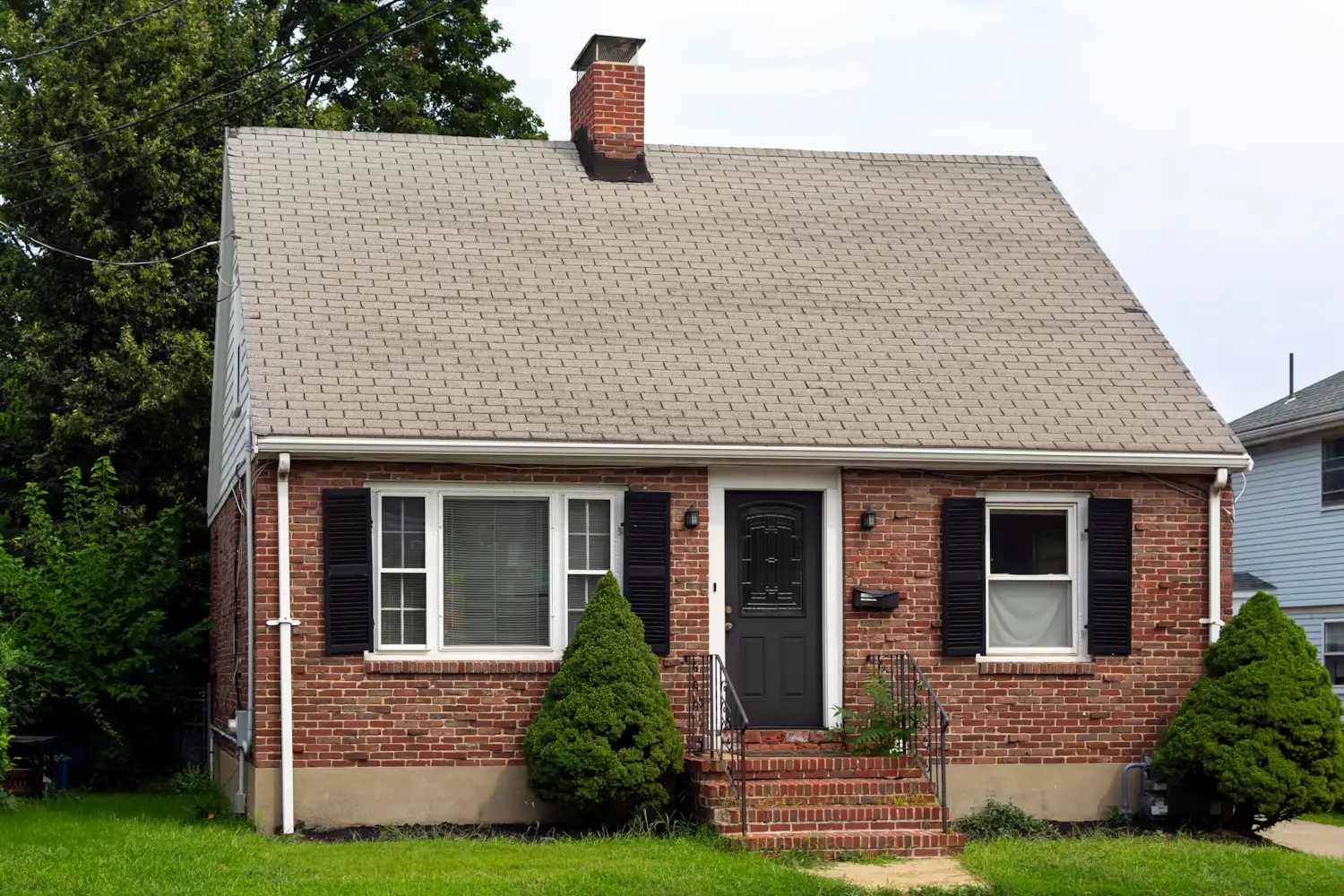
Massachusetts has some of the oldest housing stock in the country. Walk through Boston, Cambridge, Worcester, or almost any established suburb and you're surrounded by homes built in the early 1900s — many of them beautiful, solid, and still standing a century later. What's often still inside the walls, though, is wiring that was installed for a very different era of electricity use.
If you own an older Massachusetts home, there's a real chance some of its original wiring is still in service. The two types that come up most — knob-and-tube and aluminum branch wiring — each carry their own considerations, and both are worth understanding before they become a safety issue, an insurance problem, or a surprise during a home sale.
Here's how to tell what you have, when it actually needs to be addressed, and whether "rewiring" means the whole house or something more targeted.
Knob-and-Tube Wiring: The Original System
Knob-and-tube (K&T) wiring was the standard in American homes from roughly the 1880s into the 1940s — which covers a huge share of Massachusetts's older housing. It's named for the ceramic knobs that hold the wires away from the framing and the ceramic tubes that protect the wires where they pass through joists and studs.
For its time, it was a sound system. The problem is what's happened in the decades since:
- No ground wire. K&T is a two-wire system with no grounding conductor, which modern outlets, electronics, and safety devices are built to rely on.
- Aging insulation. The original wire insulation — often rubber and cloth — becomes brittle and can crack or crumble after this many decades, especially where it's been disturbed.
- It wasn't built for modern loads. A home in 1920 drew a tiny fraction of the power a modern household does. Decades of added circuits, adapters, and higher demand can push original wiring past what it was designed for.
- It's dangerous when buried in insulation. K&T was designed to dissipate heat into open air. When later owners blew insulation into attics and walls around it, that heat can no longer escape — which is why many codes now restrict K&T in insulated cavities.
- Decades of modifications. The bigger risk is often not the original work but the amateur splices and extensions added to it over a hundred years.
K&T that's undisturbed and in good condition isn't guaranteed to be an emergency. But it's obsolete, it's ungrounded, and its condition is genuinely hard to verify inside finished walls — which is why it so often ends up being replaced.
Aluminum Wiring: The 1960s–70s Concern
The other type shows up in homes built or updated roughly between the mid-1960s and mid-1970s, when high copper prices led to aluminum being used for branch circuit wiring — the smaller wires running to your outlets and switches.
One important distinction first: large-gauge aluminum used for the service entrance and feeders is completely normal and still installed today. The concern is specifically the smaller aluminum branch wiring at outlets and switches.
The issue isn't usually the wire itself — it's the connections. Aluminum expands and contracts more than copper as it heats and cools, and it oxidizes. Over years, that can loosen connections at outlets, switches, and junctions, and a loose connection is where heat and fire risk develop. The failure point is almost always the termination, not the run.
The good news: aluminum branch wiring often doesn't require a full rewire. Recognized fixes include special connectors (like COPALUM or AlumiConn) or approved copper pigtailing at each device, installed by a qualified electrician. An assessment determines whether remediation is enough or a rewire makes more sense.
Why This Matters More in Massachusetts
Two things stack up here. First, the age of the housing — Massachusetts homes skew old, so both K&T (pre-1940s homes) and aluminum branch wiring (1960s–70s updates) are simply more common here than in newer parts of the country.
Second, the insurance reality. This is the factor that turns a "someday" project into a "now" one for many homeowners:
- Many insurers won't write or renew a policy on a home with active knob-and-tube wiring, or will require it be removed within a set period.
- Some treat aluminum branch wiring the same way, or charge higher premiums for it.
- Both routinely get flagged during the home inspection when a house is bought or sold, which can stall or renegotiate a deal.
If you've been quoted an unusually high premium, been denied coverage, or had wiring flagged in an inspection report, old wiring is very often the reason.
Signs Your Home May Have Old or Hazardous Wiring
You can't confirm what's in the walls without a look, but these are common indicators worth paying attention to:
- The home was built before 1940 (K&T era) or updated in the late 1960s–70s (aluminum era)
- Two-prong, ungrounded outlets throughout the house
- Warm or discolored outlets and switch plates
- Flickering lights or frequently tripping breakers
- A distinct smell of hot plastic near outlets or the panel
- Cloth-insulated wiring or ceramic knobs visible in the basement or attic
- The letters "AL" or "aluminum" stamped on wiring or noted in an inspection report
Any of these is a reason to have the wiring evaluated — and a warm or discolored outlet is a reason to do it sooner rather than later.
Do You Actually Need a Full Rewire?
Not necessarily — and this is where an honest assessment matters. "Rewiring" isn't always all-or-nothing:
- Deteriorated or heavily modified knob-and-tube in active use often does call for replacement, sometimes whole-house, sometimes zone by zone.
- Aluminum branch wiring can frequently be made safe through connector-based remediation rather than a full tear-out.
- Sound wiring that's simply ungrounded may be addressed more targeted ways depending on the situation.
Old wiring also tends to travel with an old electrical panel and undersized service, so rewiring is frequently paired with a panel and service upgrade — especially in a home that's added modern loads like central AC, a heat pump, or EV charging that the original service was never sized for. If you're not sure what your current panel can even tell you about your home's wiring, our guide on how to read your home's electrical panel is a good starting point.
The right scope comes out of an evaluation, not a guess — and a reputable electrician will tell you when remediation is enough rather than pushing a full rewire you don't need.
Why It's Not a DIY Job
Rewiring an occupied older home is skilled, permitted work for good reason:
- It's live-electrical work in walls that are a century old and rarely built the way modern ones are.
- Fishing new wire through finished, insulated, plaster-walled homes without tearing them apart is genuinely a craft — it's what separates a clean rewire from a destructive one.
- Permits and inspection are required, and with old wiring they're what verifies the hazard is actually resolved.
Done well, an older home can be rewired in phases with minimal disruption, and you come out the other side with a grounded, code-compliant electrical system that's ready for modern life — and that your insurer is happy to cover.
Rewiring Help Across Massachusetts
We handle wiring evaluations, aluminum remediation, knob-and-tube replacement, and panel and service upgrades as part of the licensed electrical work we do throughout Massachusetts — from Greater Boston out through the older suburbs and Central Mass.
If your home is showing its age electrically, you've had wiring flagged by an inspector or insurer, or you just want to know what's actually in your walls, reach out to our team and we'll take a look.
Lunex Power provides licensed electrical services throughout Florida and Massachusetts, and installs solar and home battery storage across Florida, Massachusetts, Connecticut, Rhode Island, Colorado, and North Carolina. Get in touch to talk through your project.