EV Chargers: Fast, Reliable Charging at Home
Pair your solar system with a home EV charger for maximum convenience and savings. Explore top brands, compare models, and bring renewable energy to your driveway.
How EV Chargers Work
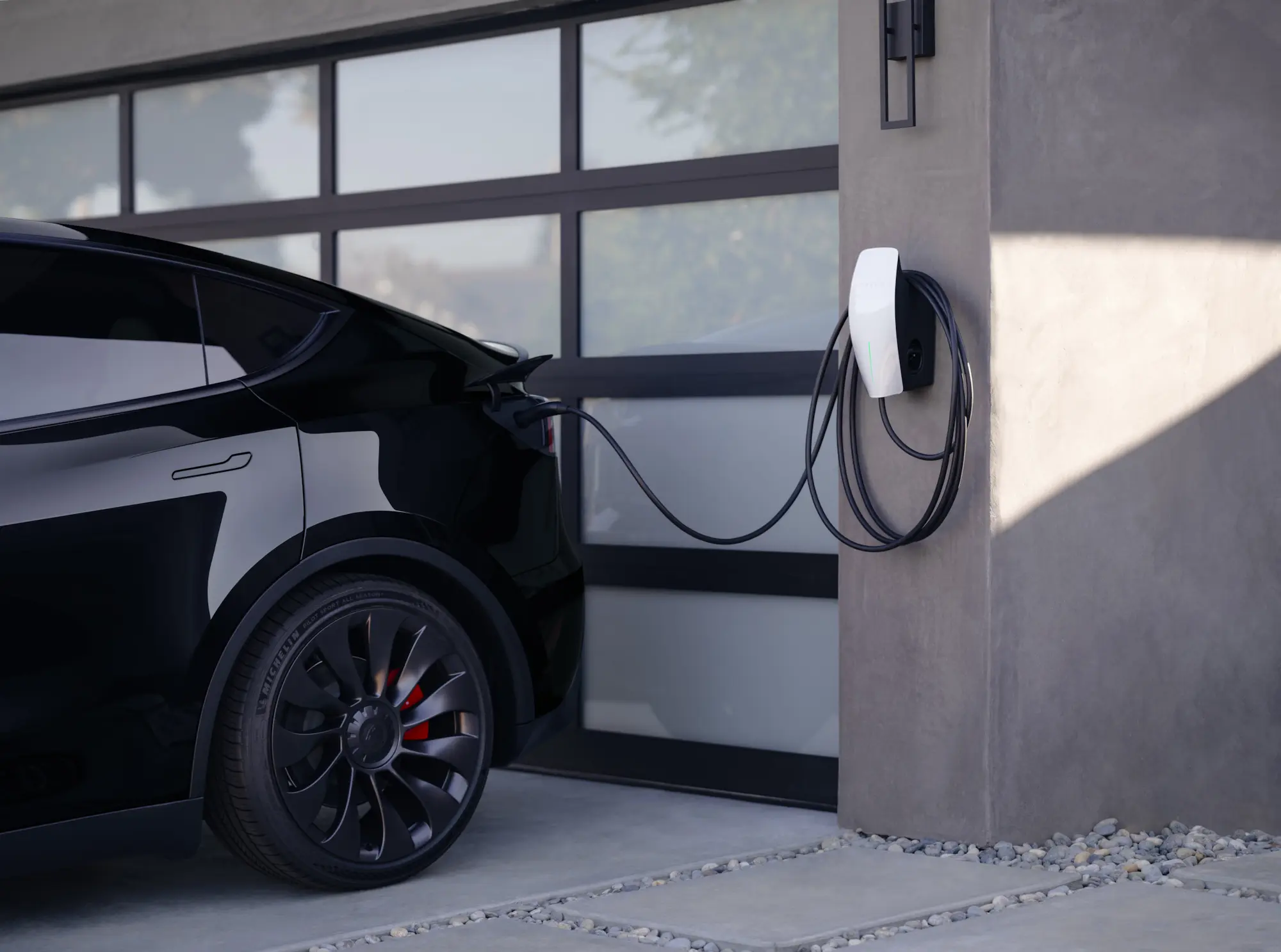
Level 1 vs Level 2
EV chargers deliver electricity from your home to your electric vehicle's battery. A Level 1 charger uses a standard 120V outlet and provides slow charging (3–5 miles of range per hour). A Level 2 charger uses a 240V outlet and delivers much faster charging (25–40 miles of range per hour).
Smart Features
Modern EV chargers go beyond plugging in, many include Wi-Fi connectivity, mobile apps, scheduled charging, and integration with solar + battery systems. This lets you charge when electricity is cheapest, or directly from your solar panels.
Clean Energy, Cleaner Commutes
Pairing an EV charger with your solar system means your car runs on sunshine, reducing fuel costs, lowering emissions, and making the most of your renewable energy investment.
Tesla Certified Wall Connector Installers

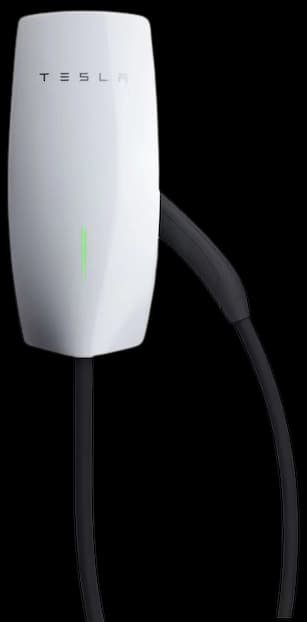
Tesla Universal Wall Connector
Frequently Asked Questions
Do I need a special outlet for an EV charger?
Level 2 chargers require a 240V outlet (like those used for dryers or ovens). We can help you install a dedicated circuit for safe, fast charging. Our EV charger installation guide covers everything from choosing the right charger to what to expect on installation day.
How long does it take to charge an EV at home?
A Level 2 charger typically adds 25–40 miles of range per hour. Most EV owners can fully charge overnight.
Can I charge my EV directly with solar power?
Yes. When paired with solar panels (and optionally batteries), your EV charger can use solar energy for clean, low-cost charging.
Are home EV chargers compatible with all electric vehicles?
Most EVs in North America use the J1772 connector, which is supported by nearly all home chargers. Tesla vehicles use their own connector but include or support adapters for J1772.
Do EV chargers require maintenance?
EV chargers are generally maintenance-free. Just keep the cable and connector clean, and ensure the unit remains in good condition.
Can I schedule charging to save money?
Yes. Many smart chargers let you schedule charging during off-peak utility hours or when your solar system is producing the most energy.