Solar Installation Services in North Carolina
Trusted solar expertise from the Outer Banks to the Piedmont, we're bringing clean energy to the Tar Heel State.
Get your free quote from our North Carolina solar team today.

Why Go Solar in North Carolina
North Carolina offers a solid net-metering policy for many utilities, letting you earn credits for excess solar energy you feed back to the grid.
Homeowners benefit from an 80% property tax exemption on the added value of solar installations.
With approximately 4.5-5 peak sun hours per day, the state receives enough sunlight to make solar power a smart long-term investment.
Forward-looking programs like “Solar for All” promise to bring solar access, including storage, to low-income and rural communities across NC.
Why Choose Lunex Power in North Carolina
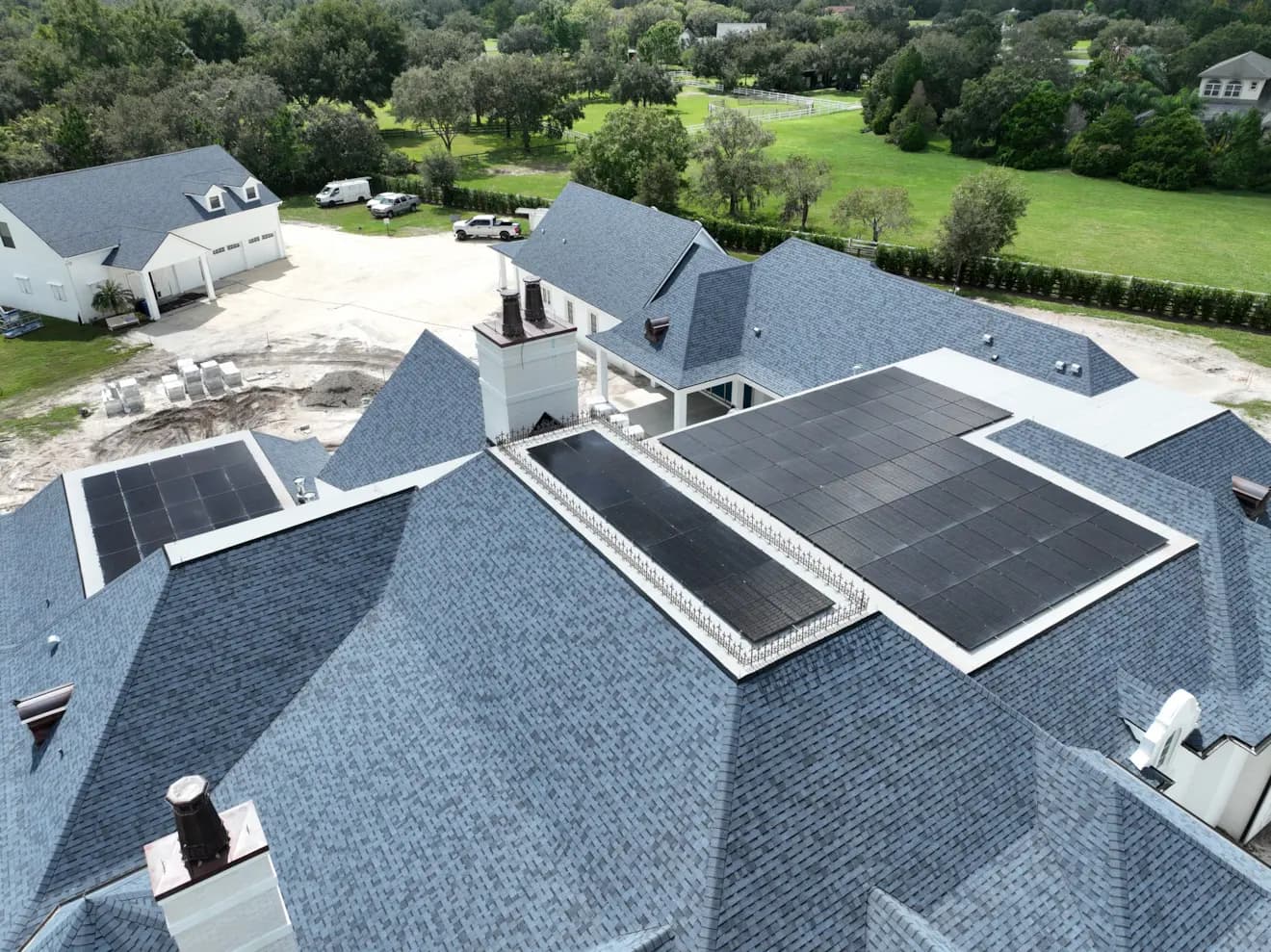
From the coastlines of Wilmington to the Blue Ridge foothills and Piedmont cities like Charlotte and Raleigh, Lunex Power delivers customized solar solutions across North Carolina. Our installation teams know regional utility programs, local permitting, and how to design for varied climates—from humid coastlines to foothill highs.
What you can expect:
Locally trained installers familiar with North Carolina utility territories, including Duke, Dominion, and co-ops.
Tailored system designs for coastal humidity, Appalachian winters, and Piedmont’s sun exposure.
Help navigating net-metering options, interconnection, and enrollment in emerging programs like Solar for All.
Hassle-free, fully backed installations with a lifetime workmanship warranty plus manufacturer equipment coverage.
North Carolina Solar Incentives
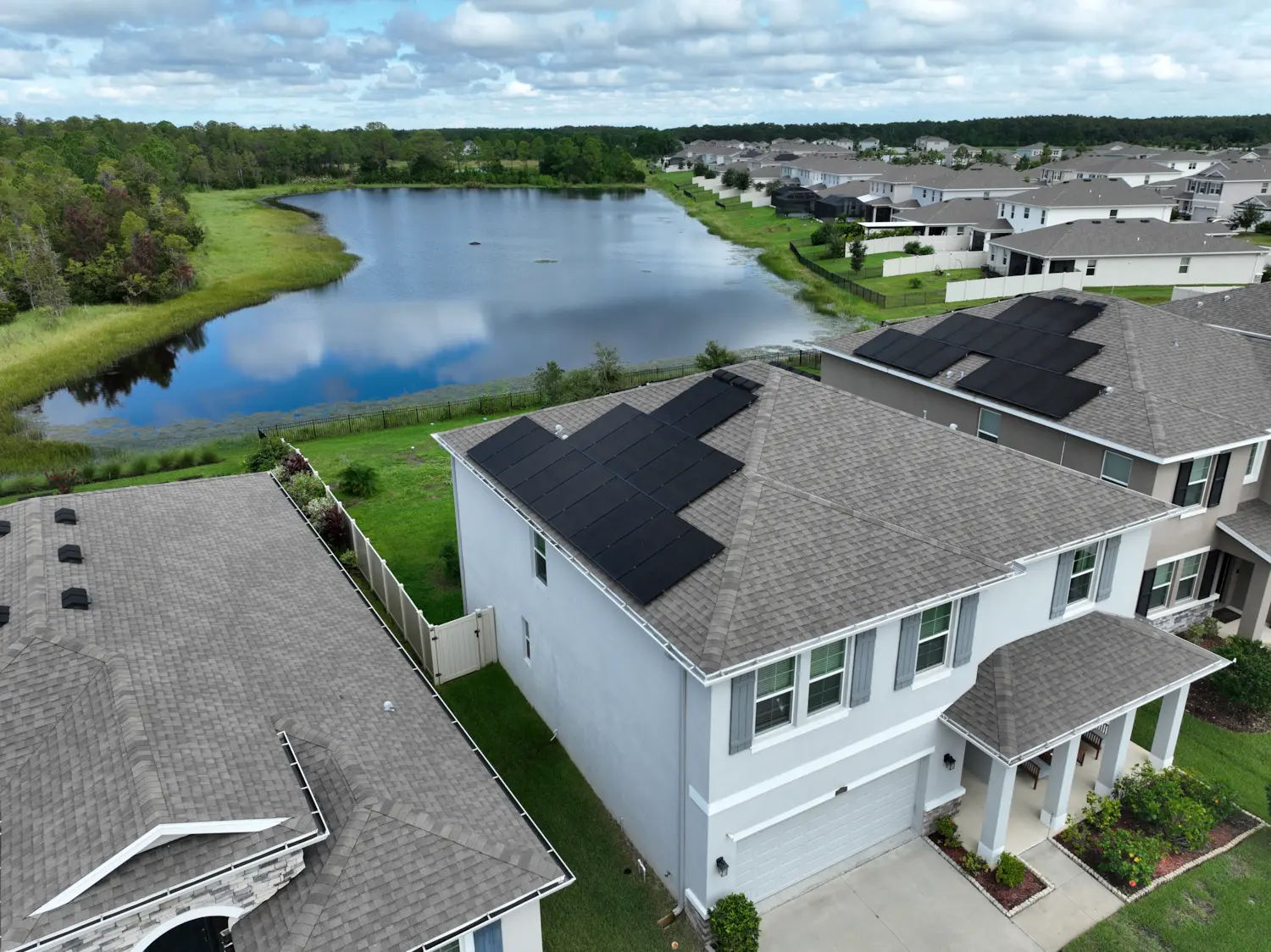
Property Tax Exemption - Residential solar installations are exempt from property tax assessment in North Carolina, so the value added by the solar system will not increase your property tax.
Net Metering / Excess Generation Credit - Most utilities provide credits for excess solar energy sent back to the grid. Credit values and rollover/true-up rules vary by utility; unused credits typically expire or reset on a recurring annual date. (e.g. June 1 for some utilities.)
Duke Energy PowerPair & Utility Rebates - Duke Energy's PowerPair program offers up to $9,000 for solar + battery systems ($0.36/W for solar, $400/kWh for battery storage). Their EnergyWise Home VPP program can provide up to $92/month in bill credits for participating battery owners.
Solar for All / EnergizeNC - A program to expand solar + storage access for low-income and disadvantaged communities. Statewide rollout began in late 2025 and is ongoing.
Want to see which incentives you qualify for?

Areas We Serve in North Carolina
Lunex Power installs solar across the Tar Heel State, from coastal havens and sand dunes, to the Piedmont's rolling hills and mountain foothills. Wherever you are in NC, we've got your solar covered.
Charlotte
Raleigh–Durham
Wilmington
Greensboro
Asheville
Frequently Asked Questions
Does North Carolina offer net metering?
Yes, many utilities like Dominion Energy and Blue Ridge EMC offer full net metering. Duke Energy recently changed its programs, but legacy systems and alternative rate structures (like Bridge Rate or Time-of-Use export rates) may still apply if installed early enough. For how it works and why timing matters, see our guide to net metering in North Carolina.
Are there solar rebates in North Carolina?
Some utilities, like Duke Energy, had rebate programs (e.g., 40¢/W for systems up to 10 kW), but those have closed. You can sign up to be notified if rebates re-open, or explore local incentives. For an updated overview of what's currently available, see our guide to North Carolina solar incentives.
Are solar systems taxed in North Carolina?
They are partly exempt. Homeowners enjoy an 80% property tax exemption on the added value of solar installations, which significantly reduces your overall property tax increase.
How much sun does North Carolina get for solar?
On average, North Carolina gets between 4.5 and 5 peak sun hours per day, offering solid solar performance, especially when combined with local incentives.
What is Solar for All (EnergizeNC)?
EnergizeNC, also called Solar for All, is a new program launching around late 2025. Funded with a $156M EPA grant, it will bring residential solar (and some storage) to low-income communities, tribal lands, and support community solar pilots.
Can solar panels handle North Carolina's climate?
Absolutely. Modern panels are tested for humidity, heat, and occasional snow, even in mountain areas, and Lunex installs systems rated for every North Carolina weather zone.
Request a quote from our North Carolina Team
- Residential Solar
- Commercial Solar
- Off-Grid Solar
- Electrical Services