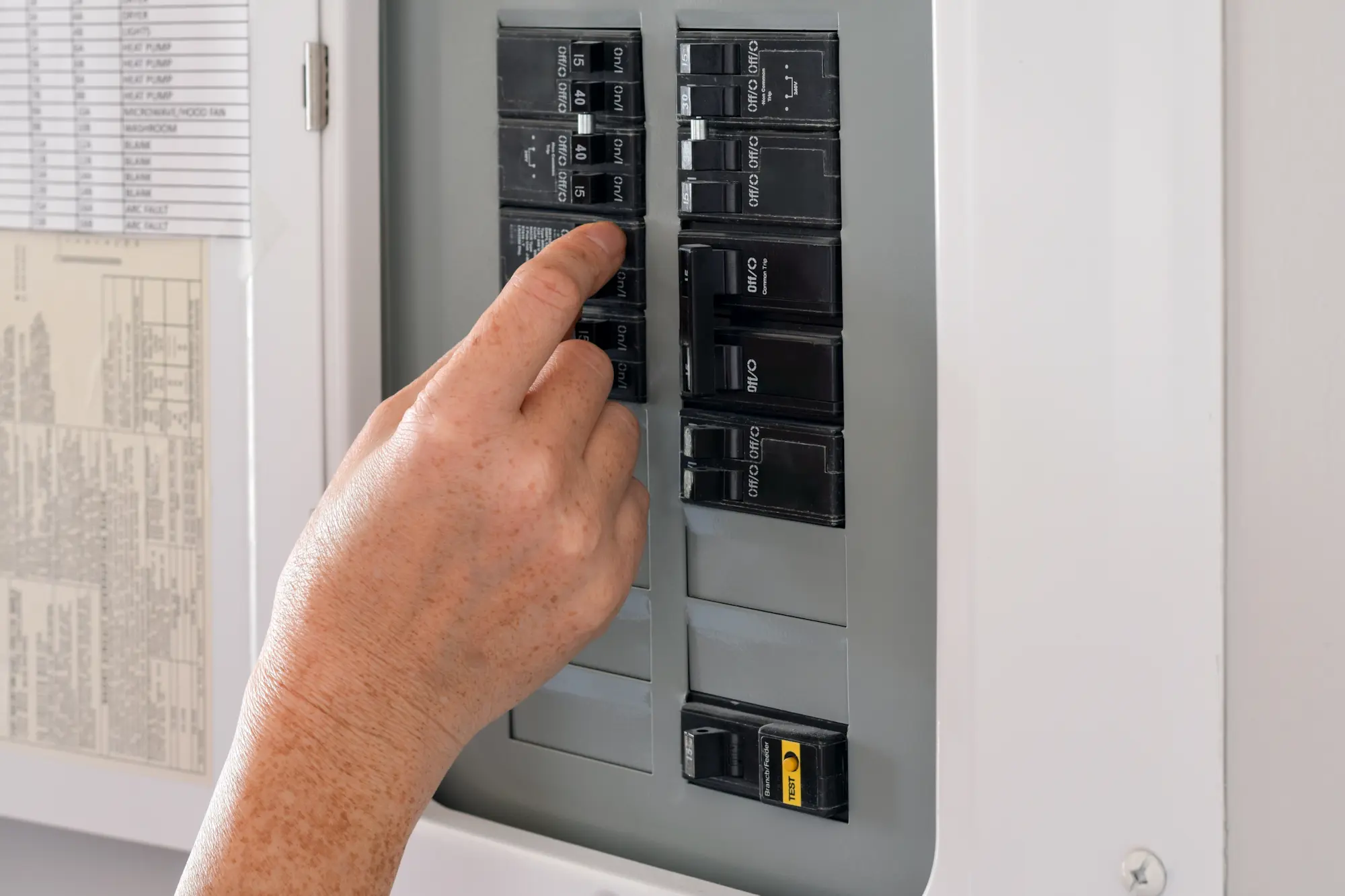
Your electrical panel is the central hub of your home’s electrical system, distributing power safely to every circuit. While panels are designed to last for decades, they don’t last forever. Aging equipment, increased electrical demand, and safety concerns can all make replacement necessary.
Knowing the warning signs of a failing or outdated electrical panel can help you avoid serious issues, including electrical fires, equipment damage, and unexpected power outages.
Contact us to schedule an electrical inspection »
What Does an Electrical Panel Do?
The electrical panel (sometimes called a breaker box or service panel) controls how electricity flows throughout your home. It protects circuits by shutting off power when overloads or faults occur.
Modern homes rely heavily on electricity for HVAC systems, appliances, electronics, EV chargers, and increasingly, solar and battery systems. As demand grows, older panels can struggle to keep up.
Common Signs Your Electrical Panel Needs Replacement
Frequent Breaker Trips
Circuit breakers are designed to trip when circuits are overloaded. However, if your breakers trip regularly, it may indicate:
- An overloaded panel
- Insufficient electrical capacity
- Aging breakers that no longer function properly
- Wiring issues
Frequent tripping is one of the most common indicators that your panel may need replacement or upgrading.
Flickering or Dimming Lights
Lights that flicker when appliances turn on can signal electrical distribution problems. This may happen when:
- Your panel is overloaded
- Voltage fluctuations occur
- Connections inside the panel are deteriorating
While minor flickering can sometimes be normal, persistent issues should be evaluated by a professional electrician.
Burning Smells or Scorch Marks
Any burning odor near your electrical panel is a serious safety concern.
Warning signs include:
- Melted insulation
- Discolored breakers
- Scorch marks around the panel
- Warm or hot panel surfaces
These symptoms may indicate overheating or electrical arcing, which can increase fire risk.
If you notice these signs, you should contact a licensed electrician immediately.
Rust or Corrosion
Moisture exposure can damage electrical components inside the panel.
Corrosion may lead to:
- Poor electrical connections
- Increased resistance and heat
- Breaker failure
- Safety hazards
Rust is often a sign that replacement is necessary rather than repair.
Your Panel Is More Than 25–30 Years Old
Many older panels were not designed for today’s electrical demands.
Homes built decades ago may still have:
- 60-amp or 100-amp service
- Obsolete breaker brands
- Panels with limited circuit capacity
Modern homes typically require 200-amp service to safely support current technology and future upgrades.
You’re Adding Major Electrical Loads
Installing new equipment can reveal panel limitations.
Common upgrades that may require panel replacement include:
- Solar panel systems
- Battery backup systems
- EV chargers
- HVAC upgrades
- Home additions
- Kitchen renovations
Planning ahead can prevent future electrical bottlenecks.
Breakers Won’t Reset
If a breaker trips and won’t reset, it could indicate:
- Internal breaker failure
- Panel bus bar damage
- Circuit faults
- Overloaded capacity
Repeated failures are a sign the panel may be reaching the end of its lifespan.
You Still Have a Fuse Box
Fuse boxes were common in older homes but are now considered outdated.
Replacing a fuse box with a modern breaker panel improves:
- Safety
- Convenience
- Capacity
- Insurance eligibility
- Home value
Many insurance companies prefer or require modern electrical panels.
You’re Planning to Install Solar
Solar systems connect directly to your home’s electrical infrastructure. If your panel lacks capacity or does not meet modern code requirements, an upgrade may be necessary before installation.
Replacing the panel during a solar project can also improve long-term reliability and efficiency.
Benefits of Replacing Your Electrical Panel
Upgrading your panel provides several advantages:
- Improved electrical safety
- Increased capacity for modern appliances
- Reduced risk of breaker failures
- Support for EV charging and battery storage
- Better compatibility with solar systems
- Potential increase in home value
- Insurance compliance
An upgraded panel also prepares your home for future technology.
How Electricians Determine If Replacement Is Needed
A professional evaluation typically includes:
- Electrical load calculations
- Panel condition inspection
- Service capacity assessment
- Code compliance review
- Future electrical needs planning
This helps determine whether repair, upgrade, or full replacement is the best solution.
When to Call an Electrician
You should schedule an inspection if you notice:
- Frequent breaker trips
- Flickering lights
- Burning smells
- Warm or damaged panel surfaces
- Aging equipment
- Planned electrical upgrades
Early evaluation can prevent larger problems later.
Conclusion
Your electrical panel plays a critical role in keeping your home safe and powered. While panels can last many years, increasing electrical demand and aging components eventually make replacement necessary.
Recognizing the warning signs early allows you to address potential issues before they become serious safety hazards.
If you’re planning electrical upgrades, solar installation, or simply want peace of mind, a professional assessment can help determine the right path forward.
Contact Lunex Power to discuss your electrical panel options »