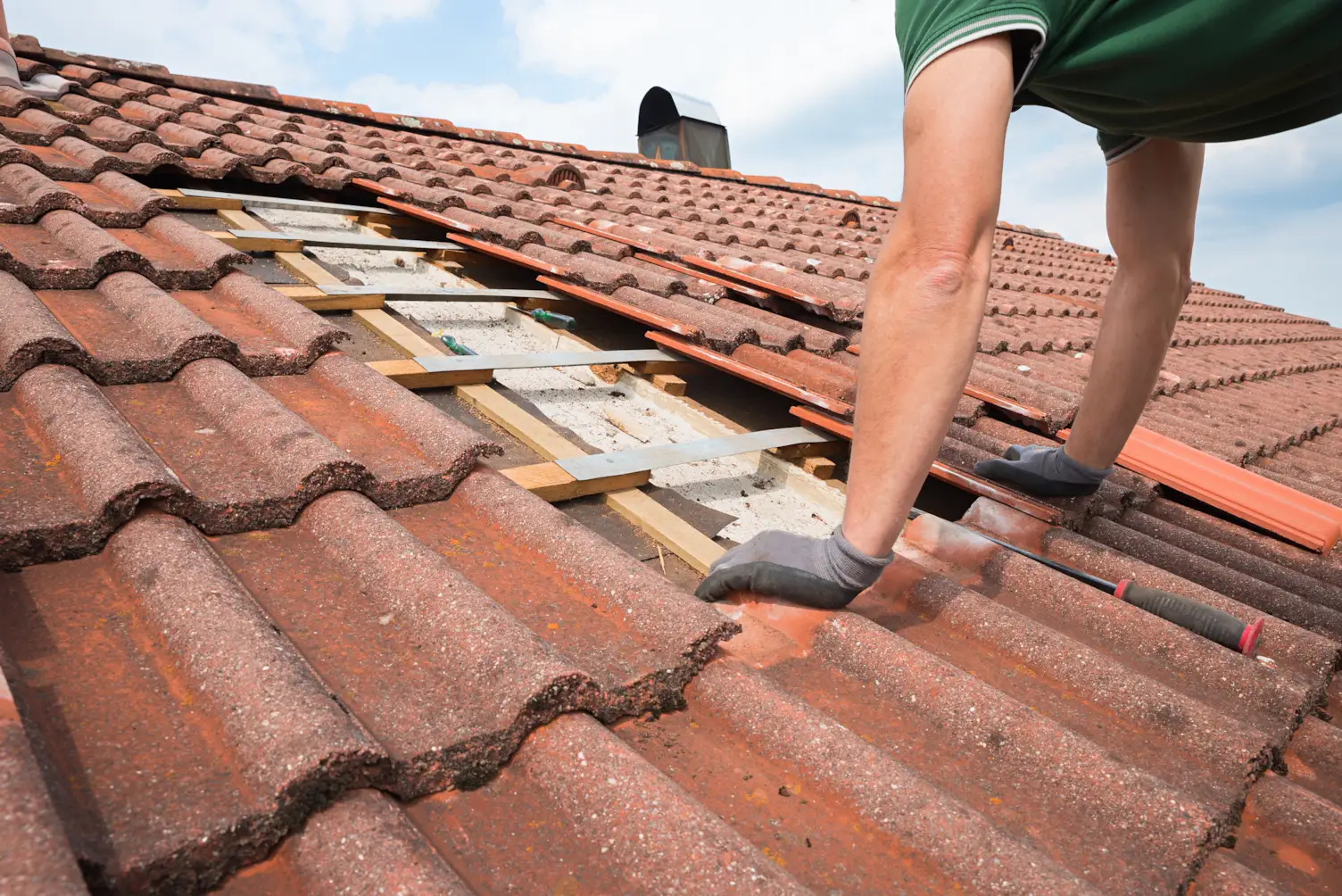
It's one of the first practical questions a homeowner should ask before going solar, and one that a surprising number of installers gloss over: is my roof ready for this?
It matters because of the timelines involved. A modern solar system is built to produce for 25 years or more. If the roof underneath it has only a few years left, you've created a problem for your future self — because when that roof needs replacing, the panels have to come off first and go back on after. The best time to think about your roof is before the panels go up, not halfway through the system's life.
Here's how to tell whether your roof should be addressed first, what happens if it isn't, and how the two projects fit together.
The Core Principle: Match the Roof to the System
The whole question comes down to one idea: your roof's remaining lifespan should reasonably match the lifespan of the solar system going on it.
You don't need a brand-new roof to go solar. You need a roof with enough life left that you're not going to be tearing into it soon. A roof with 15 or 20 good years ahead of it is a fine candidate. A roof that's near the end of its service life is the one worth dealing with first — because the alternative is paying to remove and reinstall your entire array a few years down the road.
That's the honest test a good installer applies before quoting anything: not "can we mount panels on this," but "will this roof comfortably outlast, or at least keep pace with, the system we're putting on it."
How to Tell If Your Roof Needs Attention First
A few things determine where your roof stands:
Age and material. This is the biggest factor. Different roofing materials have very different lifespans:
- Asphalt shingle — the most common, typically 20–25 years. If yours is 15-plus years old, it's worth a hard look before adding solar.
- Tile (concrete or clay) — common in Florida, and long-lived at 40–50 years or more, though the underlayment beneath the tile has a shorter life and can be the real question.
- Metal — standing-seam and other metal roofs last 40–70 years and pair exceptionally well with solar.
- Flat/membrane — common on commercial and some modern homes, with lifespans that vary widely by type.
Condition. Age is a guide, not a verdict — a roof can age faster or slower than the calendar suggests. Signs a roof may need attention before solar include curling, cracked, or missing shingles, significant granule loss, visible sagging, daylight or stains in the attic, or any history of leaks. In hot, high-UV climates like Florida, roofs often age faster than the same material would up north.
A professional assessment. The only way to know for sure is to have the roof evaluated. This should happen before a solar design is finalized — which is exactly why we look at your roof's age and condition as part of the site assessment, and tell you honestly if it should be addressed first. We'd rather flag it up front than mount a system on a roof that can't go the distance.
What Happens If You Install on a Roof That's Too Old
Say you skip this step and put panels on a roof with only a few years left. Here's the sequence you're signing up for:
When the roof fails, the solar array has to be removed, stored, and reinstalled so the roofing work can happen underneath it. That remove-and-reinstall is a real cost — often several thousand dollars — on top of the roof replacement itself. You're also exposing the system to extra handling it wouldn't otherwise see, and potentially dealing with two sets of contractors and warranties that now overlap awkwardly.
Replacing an end-of-life roof before you install avoids all of that. It's almost always cheaper and cleaner to do the roof first than to do it around an existing array.
This is the same "handle it up front" logic that applies to your electrical panel — another thing worth checking before you go solar, which we cover in do I need an electrical panel upgrade before going solar. The theme is the same: the surprises are knowable in advance, and dealing with them before installation is far less painful than discovering them after.
Timing the Two Projects
If your roof does need to be replaced first, you generally have two good paths:
Replace the roof, then install solar. The straightforward route. You get a fresh roof with its full warranty intact, and the solar goes onto a surface that will easily outlast the system.
Coordinate the two together. Roof and solar can be sequenced back-to-back so the panels go onto the new roof right away. This is often the cleanest approach when a re-roof is already happening — the roof section under the array is new, and everything is scheduled to work together rather than fighting each other.
Either way, the key is that the roofing decision happens first, on purpose — not as a mid-project surprise.
The Good News
Two things are worth knowing on the reassuring side.
First, solar panels can actually protect the roof beneath them. The covered portion of the roof is shaded from direct sun and shielded from some weather, which can slow the aging of the roofing material underneath. The panels take the UV and the elements so that section of roof doesn't.
Second, the panels themselves are extremely durable — tested and rated to handle high winds, debris, and hail, as we cover in do solar panels survive hurricanes and hail. A sound roof and a quality installation are what let that durability do its job, which is the whole reason the roof underneath matters so much in the first place. The workmanship theme carries through everything — it's the same point we make about what solar warranties actually cover.
The Bottom Line
You don't need a new roof to go solar — you need a roof with enough life left to keep pace with the system. If yours is well within its service life and in good condition, you're likely ready. If it's aging, showing wear, or near the end of its rated lifespan, it's worth addressing first so you're not paying to remove and reinstall your array a few years from now.
The most important step is simply having an honest evaluation before the design is locked in. If you want a straight answer about whether your roof is ready for solar — and how to sequence things if it isn't — reach out to our team and we'll take a look as part of your assessment.
Lunex Power installs solar panel systems and home battery storage across Florida, Massachusetts, Connecticut, Rhode Island, Colorado, and North Carolina. Get a free quote to see what the numbers look like for your home.