Back to Blog
Is Solar Worth It in Tampa, Florida? Costs, Savings, and Incentives (2026)
Phil Huet
5 min read
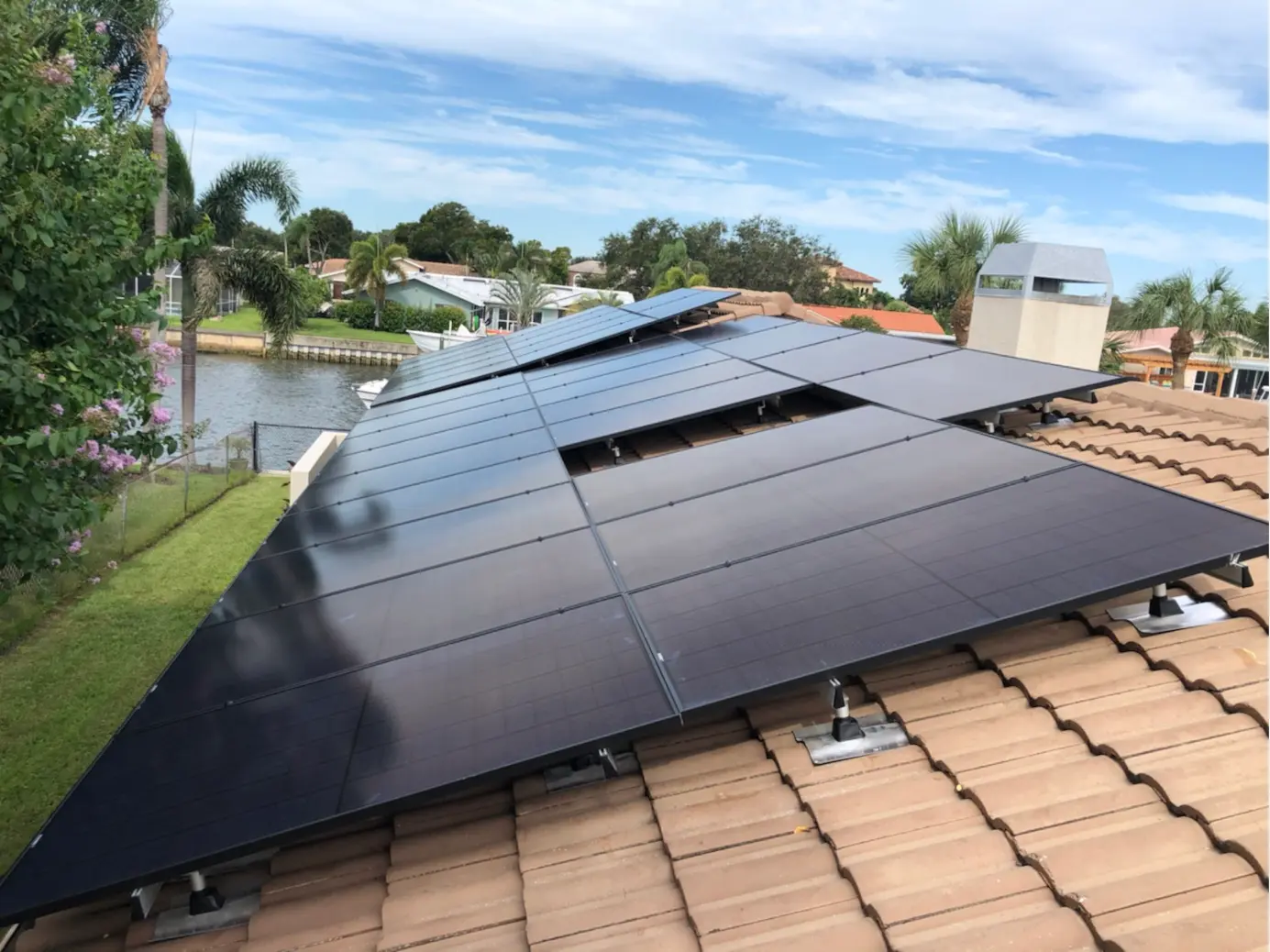
Tampa homeowners are increasingly looking at solar as electricity costs rise and homes add bigger electrical loads (EVs, pool pumps, heat pumps, and more). With strong sunlight and modern financing options, solar can be a solid long-term move for many households — but it depends on your roof, your bill, and your electrical system.
If you’re exploring options locally, start here: our Tampa solar installation page.
Quick answer: is solar worth it in Tampa?
For many Tampa Bay homeowners, yes — especially if you have:
- A consistent electric bill (often $150+/mo)
- A roof with good sun exposure (little shade, decent orientation)
- Plans to stay in the home for several years
The main variables that change the math are system size, roof complexity, financing, and whether you need an electrical upgrade.
Why Tampa is a strong location for solar
Tampa’s solar production potential is strong year-round, which helps systems generate meaningful energy and savings over time. Solar tends to pencil out better when:
- Your roof gets good mid-day sun
- You use a lot of electricity (AC is a big one in Florida)
- Utility rates increase over time (common historically)
How much do solar panels cost in Tampa? (Realistic ranges)
Solar pricing varies, but for Tampa Bay homes in 2026, a practical planning range is:
Typical system sizes
- 6–8 kW: smaller/average homes
- 9–12 kW: higher usage homes (bigger AC load, pool, EV)
- 13–16 kW: very high usage or partial electrification goals
Typical price ranges (installed)
These are broad ranges to set expectations. Your roof layout, equipment choices, and electrical scope can move you above or below these numbers.
- 6–8 kW: $16,000–$24,000
- 9–12 kW: $22,000–$34,000
- 13–16 kW: $30,000–$48,000
If you prefer a “per-watt” shortcut, many residential systems fall around $2.30–$3.20 per watt installed depending on equipment and complexity.
Note: Adding battery backup changes total system cost substantially (see below).
Incentives: what to expect
Incentives and financing options can vary over time depending on available programs and policies. The most accurate way to evaluate savings is to review the incentives and assumptions included directly in your project proposal rather than relying on generalized estimates.
If you want, we can walk through the current incentives and financing options available for your situation.
Contact us for a Tampa solar estimate »
How much can Tampa homeowners save with solar?
Savings depend on your current bill, how much of your usage the system offsets, and your utility billing structure.
Here’s a realistic way to think about it:
Monthly bill offset (typical)
Many Tampa homeowners target a system that offsets 60%–110% of usage (depending on roof space and goals).
Example savings ranges
- If your bill averages $180/mo, solar may offset $110–$200/mo
- If your bill averages $300/mo, solar may offset $180–$320/mo
Your exact results depend on production, roof shading, and usage patterns.
What’s the payback period in Tampa?
Payback is not a one-size-fits-all number, but many Tampa homeowners see a rough payback window of:
- 8–13 years for strong roof conditions and good offset
- 11–16 years if roof conditions are harder, offset is lower, or costs are higher
If you finance, many homeowners focus less on payback and more on:
- Monthly payment vs. current utility bill
- Long-term total cost of ownership
Electrical considerations (and real upgrade ranges)
A solar install is also an electrical project. Before installation, an electrician typically checks:
- Main panel capacity and breaker space
- Service amperage (100A vs 150A vs 200A)
- Code compliance (grounding/bonding, disconnects, labeling)
- Any existing issues that need correction
Common electrical scope items and ranges (planning estimates)
- Main panel upgrade (100A → 200A or panel replacement): $2,500–$6,500
- Service upgrade / meter can work (when required): $3,500–$9,000
- Minor corrections / breaker work: $300–$1,500
Not every home needs upgrades — but older homes and homes adding EV charging/batteries are more likely to.
If you want a deeper primer, our electrical post on warning signs is a good companion:
Signs Your Electrical Panel Needs to Be Replaced
Are solar batteries worth it in Tampa?
Batteries are usually about backup + control, not pure ROI.
Typical battery add-on cost range
- $10,000–$20,000+ depending on brand, usable capacity, and electrical scope
A battery may be worth it if you prioritize:
- Backup power during outages
- Running critical loads (refrigerator, lights, outlets, Wi-Fi, some HVAC depending on design)
- More independence and future flexibility
If your main goal is lowest-cost savings, a battery may be optional.
What makes solar “worth it” for one Tampa home but not another?
Solar tends to be a strong fit when:
- Your roof is in good condition (or you’re ready to replace it first)
- You have a clear area with minimal shading
- You have consistent usage and plan to stay in the home
- Your electrical system can support interconnection safely
Solar can be a weaker fit when:
- The roof is heavily shaded most of the day
- The roof needs replacement soon (do roof first)
- There’s very limited usable roof space
- Electrical upgrades are unusually extensive
Conclusion: solar can be a strong investment for Tampa Bay homeowners
For many Tampa residents, solar offers a combination of monthly savings, long-term price stability, and optional backup power. The best way to know if it’s worth it for your home is to model it with real assumptions: your usage, your roof production, and your electrical scope.
If you want a clear estimate with ranges and a straightforward recommendation, we can help.
Contact Lunex Power to discuss solar options for your Tampa home »