Back to Blog
Solar Energy Myths Debunked: What Homeowners Need to Know in 2026
David Sipos
Updated:
8 min read
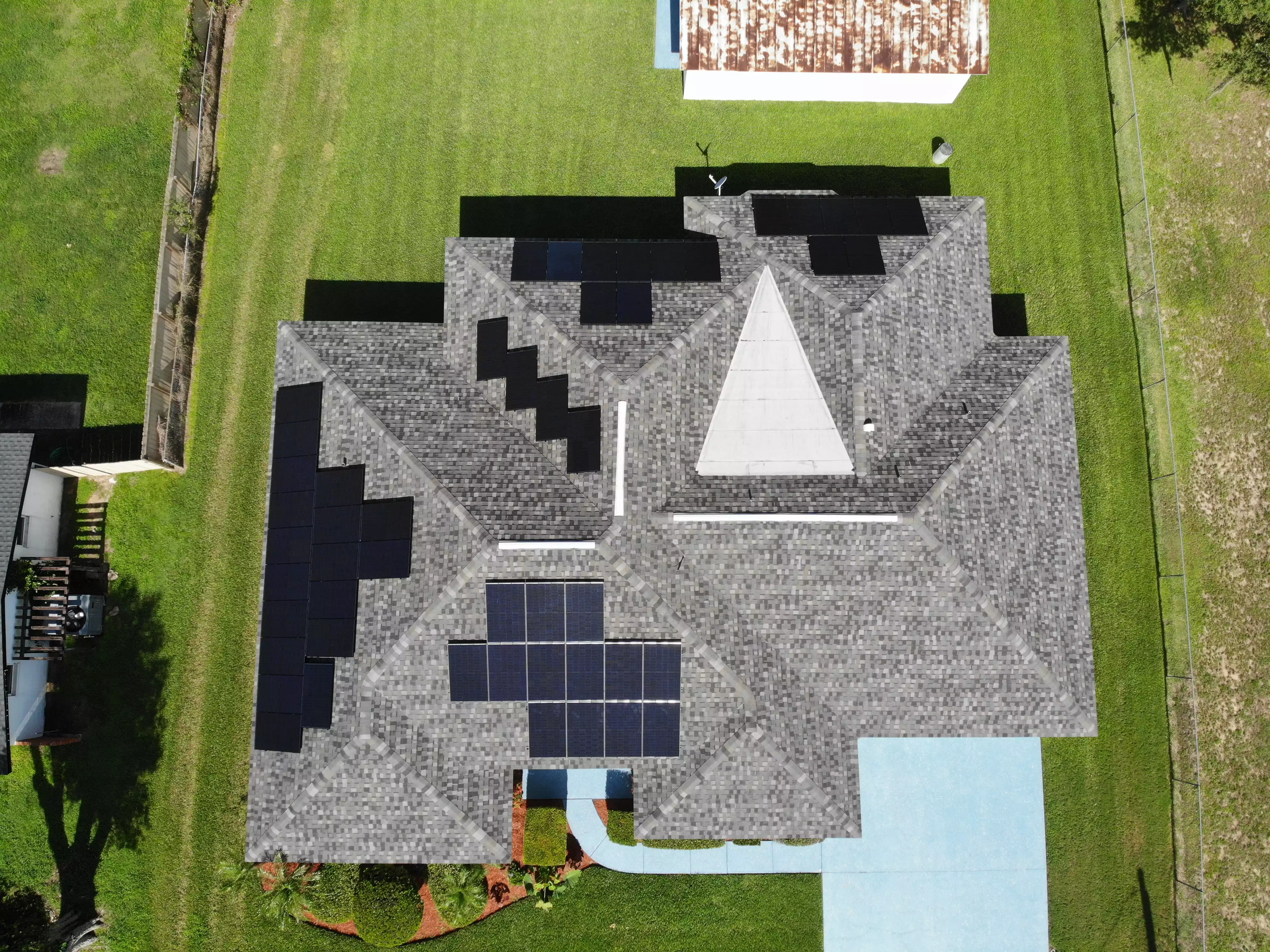
Thinking about going solar? You've probably heard a lot of conflicting information — from neighbors, social media, or ads claiming it's either the best decision you'll ever make or a costly mistake. The truth, as usual, is more nuanced.
Solar energy is one of the fastest-growing energy sources in the U.S., but persistent myths keep many homeowners on the sidelines. In this post, we break down the most common solar misconceptions with real data, so you can decide whether solar is right for your home — without the noise.
Myth 1: Solar Panels Don't Work in Cloudy or Cold Climates
Fact: Solar panels work in all climates — and often perform better in the cold.
This is probably the most widespread solar myth, and it keeps a surprising number of homeowners from exploring solar in places where it actually makes a lot of sense.
Here's the science: solar panels generate electricity from light, not heat. Photovoltaic (PV) cells respond to photons in sunlight, including diffused light that passes through cloud cover. So even on overcast days, your panels are still producing energy — just at a reduced rate.
What many people don't realize is that heat can actually hurt solar panel performance. Most solar panels operate most efficiently at around 77°F (25°C). On very hot days, output can decrease by 10–25% depending on the panel type. Cooler climates can partially offset this, meaning panels in Seattle or Chicago can outperform expectations relative to their sun hours.
Consider this: Germany — one of the world's leading solar markets — has roughly the same solar irradiance as Alaska, and yet it has one of the highest rates of solar adoption in the world. Meanwhile, states like Massachusetts, New York, and New Jersey rank among the best for solar ROI due to high electricity rates, not necessarily sunshine.
Bottom line: Your local climate matters less than your roof orientation, panel quality, and electricity rate. A reputable installer will provide a site-specific energy production estimate based on real data from your location.
Myth 2: Solar Panels Are Too Expensive
Fact: Solar costs have dropped nearly 90% over the last 15 years, and financing makes it accessible for most homeowners.
A decade ago, this concern had merit. Today, it largely doesn't.
The cost of residential solar has fallen dramatically — from roughly $8 per watt in 2010 to under $3 per watt in 2023, according to the National Renewable Energy Laboratory (NREL). A typical 6–8 kW home system now costs between $16,000–$24,000 before incentives.
Here's what can still change that math:
- State and local incentives: Many states offer their own rebates, property tax exemptions, and sales tax exemptions that can meaningfully reduce your cost. Depending on where you live, these can shave thousands off your total — and in some states, the savings are substantial.
- Solar leases and PPAs: If you'd prefer not to purchase outright, third-party ownership options like solar leases and power purchase agreements (PPAs) can offer lower monthly rates — often below what you'd pay the utility — with little to no upfront cost.
- Net metering: If your utility offers net metering, excess energy your panels generate gets credited back to your bill — reducing or even eliminating your monthly electricity costs.
- $0 down financing: Most installers offer loan options that let you go solar with no upfront cost. In many cases, your monthly loan payment is less than your current electricity bill, meaning you're cash-flow positive from day one.
Typical payback periods:
- Financed system: 8–12 years
- Cash purchase: 6–10 years
- System lifespan: 25–30+ years
Most homeowners recoup their investment well within the system's lifespan — especially in states with high electricity rates or strong local incentives.
Myth 3: Solar Panels Require a Lot of Maintenance
Fact: Solar panels are one of the lowest-maintenance home improvements you can make.
Unlike HVAC systems, water heaters, or roofing, solar panels have no moving parts. There's nothing to oil, tune, or replace on a regular basis. The panels themselves are designed to withstand decades of weather — including hail, high winds, and heavy snow loads.
Typical maintenance needs:
- Cleaning: In most regions, rainfall keeps panels clean enough. In drier, dustier areas (like parts of Texas or the Southwest), an occasional rinse with a garden hose once or twice a year is all that's needed.
- Monitoring: Most modern systems come with an app that lets you track energy production in real time. If output drops unexpectedly, that's usually the first signal something needs attention.
- Inverter check: Inverters typically have a 10–15 year lifespan and may need replacement once during the life of your system. Microinverter systems (like those using Enphase) tend to be more reliable since each panel operates independently — one underperforming panel won't affect the rest.
Warranties provide long-term coverage:
- Most panels come with a 25-year performance warranty guaranteeing at least 80–85% of original output.
- Equipment warranties typically cover manufacturing defects for 10–25 years.
- Installer workmanship warranties (like Lunex Power's) cover the installation itself.
With proper installation and a quality system, most homeowners go years without any service needs at all.
Myth 4: Solar Panels Will Damage My Roof
Fact: When installed correctly, solar panels can actually protect your roof.
The panels act as a physical barrier over the portion of your roof they cover, shielding shingles from UV exposure, rain, and hail. Many homeowners find that the area under their panels remains in better condition than the rest of their roof after years of exposure.
That said, proper installation matters. A qualified installer will:
- Assess your roof's current condition before installation
- Use flashing and waterproof mounting hardware designed to prevent leaks
- Recommend replacing an aging roof before installation if needed (it's much easier to do before the panels go up)
If your roof does need repairs later, panels can be temporarily removed and reinstalled — though this does add cost, which is why addressing roof issues upfront is smart.
Myth 5: Solar Panels Are Bad for the Environment to Manufacture
Fact: Solar panels pay back their manufacturing energy in 1–4 years — and operate cleanly for 25+ years after that.
Some critics argue that making solar panels requires so much energy that it offsets their environmental benefits. The data says otherwise.
The energy payback time (EPBT) for modern solar panels — meaning how long they need to operate before generating more energy than was used to produce them — is typically 1 to 4 years, depending on location and panel type. Since panels last 25–30 years, they produce clean energy for 20+ years beyond their break-even point.
Over its lifetime, a typical residential solar system can offset 70–100 tons of CO₂ — equivalent to planting thousands of trees or taking several cars off the road permanently.
Is Solar Right for Your Home?
Solar isn't the right fit for every home or every situation. Here are the key factors to evaluate:
- Roof condition and orientation: South-facing roofs with minimal shading get the best production. East/west-facing roofs work too, just with slightly lower output.
- Your electricity rate: The higher your current rate, the faster your payback period. Texas homeowners with variable-rate plans can see particularly strong returns.
- Your energy usage: Homes with higher electricity consumption generally see faster ROI on solar.
- Available incentives: State-level rebates, utility programs, property tax exemptions, and net metering policies vary widely. It's worth checking what's available in your area — the savings can be meaningful even without a federal incentive.
- Long-term plans: Solar adds resale value to your home (studies show it increases home value by roughly 3–4%), but it works best for homeowners planning to stay put for at least 5–7 years.
The Bottom Line
Solar energy has matured into a reliable, cost-effective technology — but the myths around it haven't always kept up. Whether you're concerned about your cloudy climate, your budget, or your roof, the reality is almost always more optimistic than the myth.
The best way to cut through the noise? Get a site-specific estimate from a trusted local installer who will evaluate your home, walk you through the numbers, and give you an honest assessment — not just a sales pitch.
At Lunex Power, that's exactly how we operate. We're here to help you understand what solar can actually do for your home, with real data and no pressure. Get a free consultation today and let's find out if solar makes sense for you.