Back to Blog
Marine & Dock Electrical in Tampa Bay: What Waterfront Homeowners Need to Know
Phil Huet
8 min read
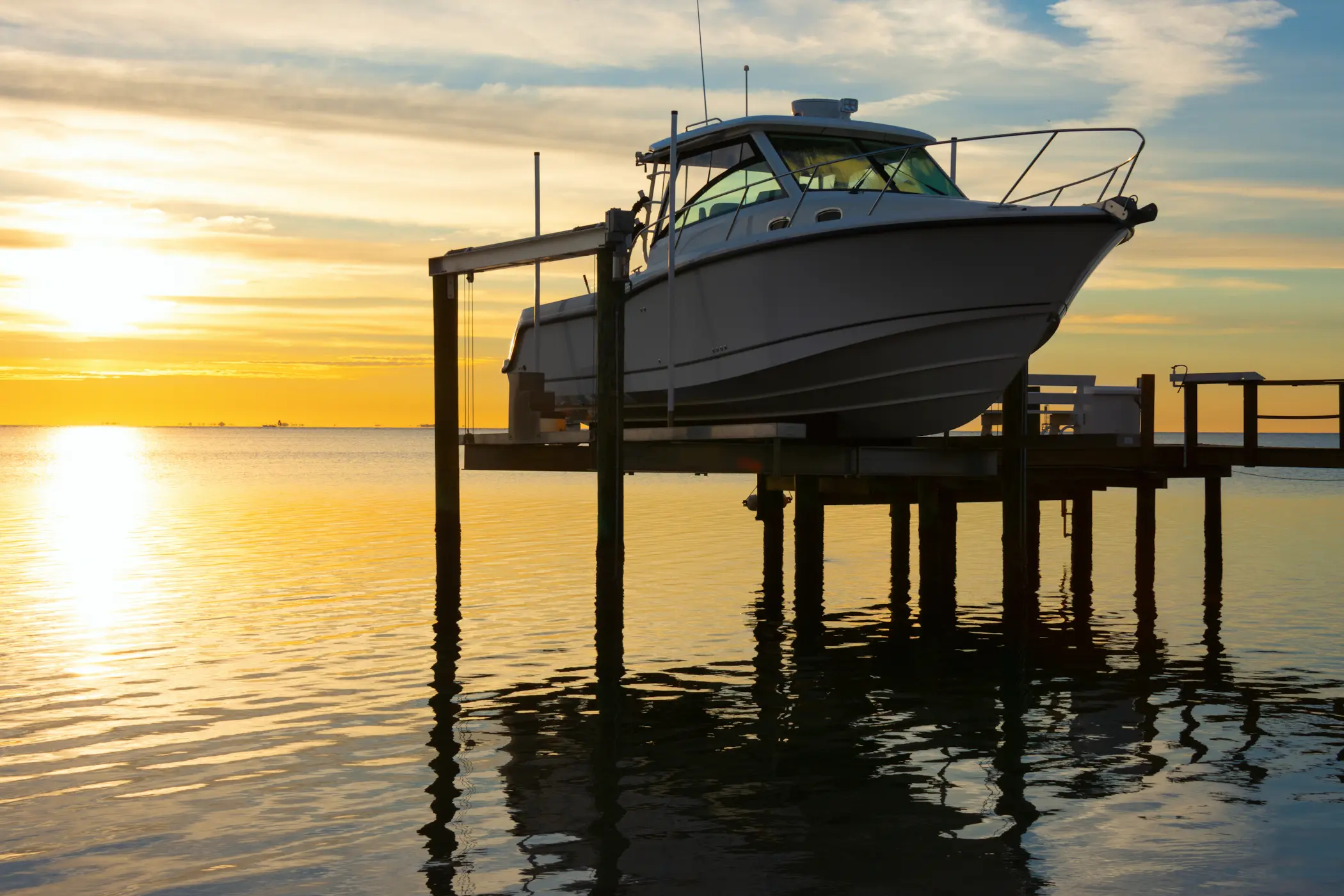
If you own a home on the water in Tampa Bay, your dock is probably doing more electrical work than you think. A boat lift needs a motor and controls. You want lighting so the dock is usable and safe after dark. There's an outlet or two for tools, a pressure washer, or charging. Maybe a fish-cleaning station, a shore-power pedestal for the boat, or davits. Every one of those runs on electricity — and every one of them sits in about the most punishing environment electrical work can face.
Salt air, constant humidity, wind-driven rain, and open water just a few feet away turn ordinary wiring into a short lifespan and a real hazard. Marine and dock electrical isn't regular residential work done outside. It's a specialized category with its own materials, its own code, and its own safety stakes. Here's what waterfront homeowners around Tampa Bay should understand before adding power to a dock — or before trusting the wiring that's already out there.
Why Dock Electrical Is Different From the Rest of Your Home
Inside your house, wiring lives in a climate-controlled, dry environment. On a dock, it doesn't. Three things make waterfront electrical a different animal:
Corrosion. Salt and brackish air are relentless. Standard steel hardware, ordinary connectors, and non-rated enclosures corrode fast — sometimes in a single season. Corroded connections don't just stop working; they overheat, arc, and fail in ways that create fire and shock risk. Marine and dock work uses corrosion-resistant materials throughout: marine-grade wire, stainless or specially coated hardware, and weatherproof enclosures rated for wet, corrosive locations.
Constant moisture. Wind-driven rain, spray, tidal splash, and humidity all find their way into anything that isn't properly sealed. Enclosures, connections, and fittings have to be rated and installed to keep water out over years, not months.
Water, right there. This is the one that changes everything. When electricity and open water are a few feet apart, a fault that would trip a breaker and inconvenience you indoors can become a life-safety event on a dock. That's why dock electrical is governed by specific safety code — and why it's genuinely not a DIY project.
The Safety Issue Most People Have Never Heard Of
There's a hazard specific to docks and marinas that a lot of waterfront homeowners have never heard named: Electric Shock Drowning, or ESD.
ESD happens when a fault causes a small amount of electrical current to leak into the water around a dock. A swimmer in that water can be paralyzed by the current — unable to swim — and drown, often in water that looks completely ordinary. It doesn't take much current, and there's no visible sign the water is energized. It's a leading reason the electrical code treats docks so seriously.
The risk is highest in fresh and brackish water, which matters here: much of Tampa Bay's waterfront sits along rivers, canals, and estuaries where fresh water mixes with the bay. Anywhere someone might swim near a dock that has power on it, this is the hazard proper wiring and protection are designed to prevent.
The protection against it comes down to a few things done correctly:
- Ground-fault protection on dock circuits that trips at a very low current threshold — far more sensitive than a standard breaker — so a leak is cut off before it can energize the water.
- GFCI-protected receptacles for every outlet on the dock.
- Proper bonding and grounding of metal components — lift frames, ladders, railings, and hardware — so stray current has a safe path instead of finding the water.
- Equipment leakage protection (ELCI) on shore-power connections for boats, which are a common source of leakage current at a dock.
None of this is optional, and none of it is guesswork. It's spelled out in the National Electrical Code — Article 555 covers marinas and docking facilities — and it's exactly the kind of work that requires a licensed electrician who does it correctly and pulls the permit.
Common Marine & Dock Projects
Most waterfront electrical work in Tampa Bay falls into a handful of categories:
Boat lift wiring. Lifts need power to the motor, weatherproof controls, and often a remote. The motor and switchgear have to be protected from spray and corrosion, and the whole circuit needs the right overcurrent and ground-fault protection. A properly wired lift is reliable for years; a poorly wired one seizes, corrodes, or trips constantly.
Shore-power pedestals. If you keep a boat at the dock, a shore-power connection lets it run and charge without the engine. These have to be installed with the right ELCI protection and weatherproof, corrosion-resistant fittings — a common failure point when done by someone unfamiliar with marine standards.
Dock and piling lighting. Lighting makes a dock usable and safe after dark and can be a genuinely nice feature — piling lights, deck lighting, under-rail LED. All of it needs fixtures and wiring rated for wet, marine locations, on properly protected circuits.
Outlets and GFCI receptacles. Even one weatherproof, GFCI-protected outlet makes a dock far more useful — for tools, cleaning, or charging. The emphasis is on weatherproof and GFCI-protected; a standard outlet on a dock is both a code violation and a hazard.
Dock subpanels. When a dock has several loads — lift, lighting, outlets, shore power — it often makes sense to run a dedicated subpanel rather than a tangle of individual circuits from the house. A subpanel keeps everything organized, properly protected, and easier to service, but it has to be fed, bonded, and grounded correctly for a waterfront location.
Fish-cleaning stations, davits, and accessories. Any powered add-on at the water's edge follows the same rules: marine-grade materials, weatherproof installation, and the right protection.
Signs Your Existing Dock Wiring Needs Attention
Plenty of Tampa Bay docks were wired years ago, sometimes by a previous owner or a general handyman rather than a licensed electrician. If any of these sound familiar, it's worth having the wiring looked at:
- Outlets on the dock that aren't GFCI-protected (no "test" and "reset" buttons)
- Breakers that trip when you run the lift or plug something in
- Visible corrosion on outlets, boxes, connections, or hardware
- Fixtures, wiring, or enclosures that aren't rated for wet or marine locations
- Lights that flicker or a lift that runs intermittently
- Any wiring that was added without a permit or inspection
That last point matters. If a dock circuit lacks the ground-fault protection today's code requires, the wiring can look and work fine right up until the moment it's dangerous. The whole point of the protection is that it acts before there's any visible sign of a problem.
Why This Isn't a DIY Job
It's tempting to treat a dock outlet or a lift circuit as a weekend project. We'd strongly steer you away from that, for reasons that go beyond the usual "hire a pro" advice:
- The materials matter in ways that aren't obvious — the wrong connector or enclosure fails fast in salt air, and the failure mode is dangerous, not just inconvenient.
- The code requirements for docks are specific, strict, and exist precisely because the stakes are life-safety. Getting the ground-fault protection, bonding, and grounding right isn't something to approximate.
- Permits and inspection aren't red tape here. A licensed electrician pulls the permit and has the work inspected, which is what confirms the protection is actually in place and correct.
Done right, marine and dock electrical is durable, safe, and low-maintenance. Done wrong, it's a corroding, trip-prone hazard a few feet from open water. That gap is entirely about who does the work and whether it's done to code.
Waterfront Electrical Across Tampa Bay
We handle marine and dock electrical for waterfront homeowners across the Tampa Bay area — Hillsborough, Pinellas, and Manatee — from a single GFCI outlet on an existing dock to a full boat-lift circuit, shore-power pedestal, dock lighting, and a dedicated subpanel. It's one piece of the broader licensed electrical work we do for homes across Florida and Massachusetts, and it's exactly the kind of job where local, licensed, permitted work is worth insisting on.
If you're adding power to a dock, upgrading a lift, or you're just not sure the wiring already out there is safe, reach out to our team and we'll take a look. If you want to see the other electrical and solar work we do around the bay, our Tampa Bay service area page has more.
Lunex Power provides licensed electrical services across Tampa Bay and throughout Florida and Massachusetts, and installs solar and home battery storage across Florida, Massachusetts, Connecticut, Rhode Island, Colorado, and North Carolina. Get in touch to talk through your project.