Back to Blog
Enphase vs Tesla Powerwall 3 vs Franklin aPower: An Honest Home Battery Comparison
Phil Huet
14 min read
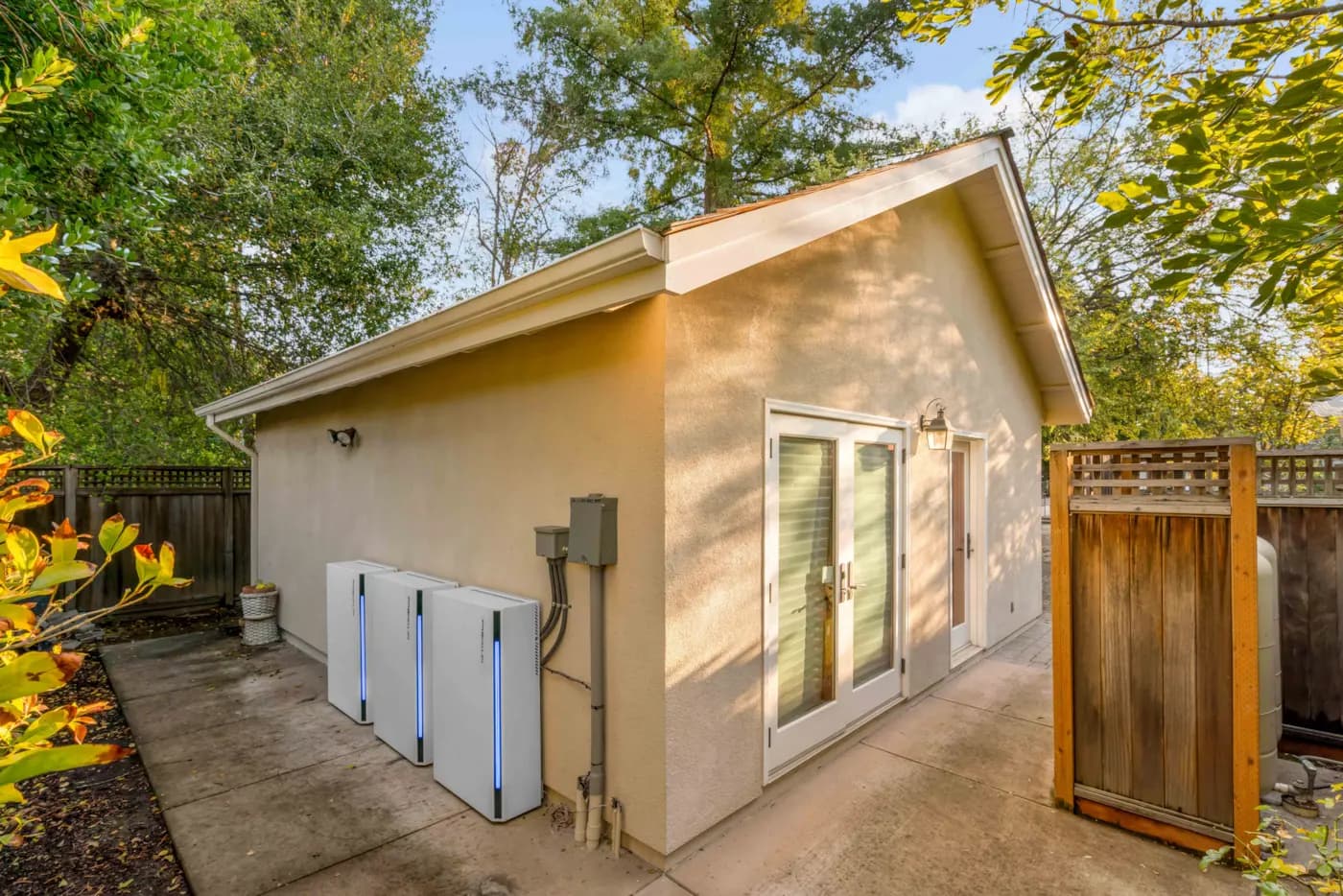
Home battery storage is one of the fastest-moving categories in residential solar — and one of the most confusing to shop for.
Three brands dominate most installer conversations right now: Enphase, Tesla, and Franklin. All three are legitimate, well-supported products. All three will keep your lights on during a grid outage.
Where they differ is in capacity, architecture, compatibility, price, and which types of homes they're actually best suited for.
We carry all three at Lunex Power. This post is our honest breakdown — no agenda, just what we've learned installing these systems across Florida, Massachusetts, Connecticut, Rhode Island, Colorado, and North Carolina.
Want a recommendation for your home? Contact our team for a free consultation »
Quick Comparison
| Enphase IQ Battery 10C | Tesla Powerwall 3 | Franklin aPower 2 | |
|---|---|---|---|
| Usable capacity | 10 kWh per unit | 13.5 kWh | 15 kWh |
| Continuous output | 3.84 kW per unit | 11.5 kW | 10 kW |
| Peak output | 14.16 kW (3 sec) | 11.5 kW | 15 kW (10 sec) |
| Chemistry | LFP | NMC | LFP |
| Coupling | AC | AC or DC | AC |
| Inverter compatibility | Enphase systems only | Most existing inverters (AC) or integrated DC | Most existing inverters |
| Warranty | 15 years / 6,000 cycles | 10 years | 15 years / 60 MWh |
| Typical installed cost | From $15,500 (1 unit) | From $11,500 (DC) / $15,500 (AC) | From $15,500 (1 unit) |
| Max system size | 40 kWh (4 units) | 54 kWh (4 units) | 225 kWh (15 units) |
Installed costs are approximate ranges as of early 2026 and vary by market, system design, and site conditions. The federal residential ITC ended January 1, 2026 — state and utility incentives may still apply depending on your location.
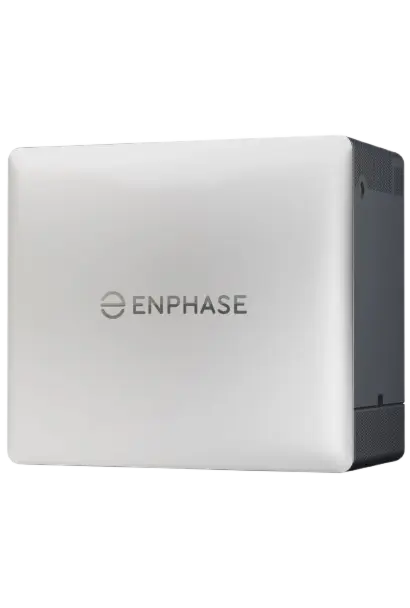
Enphase IQ Battery 10C
How it works
The IQ Battery 10C is an AC-coupled storage system with embedded microinverters built directly into each unit. Rather than relying on a separate inverter to manage battery charging and discharging, the 10C handles its own power conversion internally.
Each unit stores 10 kWh of usable energy and delivers 3.84 kW of continuous power with an impressive 14.16 kW peak output. Batteries can be stacked — up to 4 units, or 40 kWh — under a single IQ System Controller 3.
What Enphase does well
Ecosystem integration. If your home already has Enphase microinverters, the IQ Battery 10C slots into that system cleanly. Monitoring, control, and energy management all run through the same Enphase app you're already using. There's no additional gateway hardware to install or manage.
Modularity. The modular sizing means you can start with one unit and expand over time without redesigning the system. For homeowners who want partial backup now and whole-home backup later, this is a real advantage.
Resilience. Because each unit has its own embedded microinverters, a single inverter failure doesn't take the whole system offline. This mirrors the same distributed architecture that makes Enphase panel-level microinverters appealing.
Warranty. The 15-year, 6,000-cycle warranty is among the strongest in the residential market.
The real tradeoffs
The 3.84 kW continuous output per unit is the main limitation despite the strong peak capability. Homeowners who want to cover sustained whole-home loads — especially central HVAC running continuously — will likely need two units. That stacking cost adds up compared to Franklin or Tesla on a per-kW-of-sustained-output basis.
Compatibility is also a constraint. The IQ Battery 10C only works within the Enphase ecosystem. If you have SolarEdge, SMA, or another inverter brand, this battery isn't an option without replacing your inverter system.
Best for
Homes already running Enphase microinverters, homeowners who want to start with solid backup capacity and expand over time, and anyone who values deep monitoring and a proven, distributed architecture.
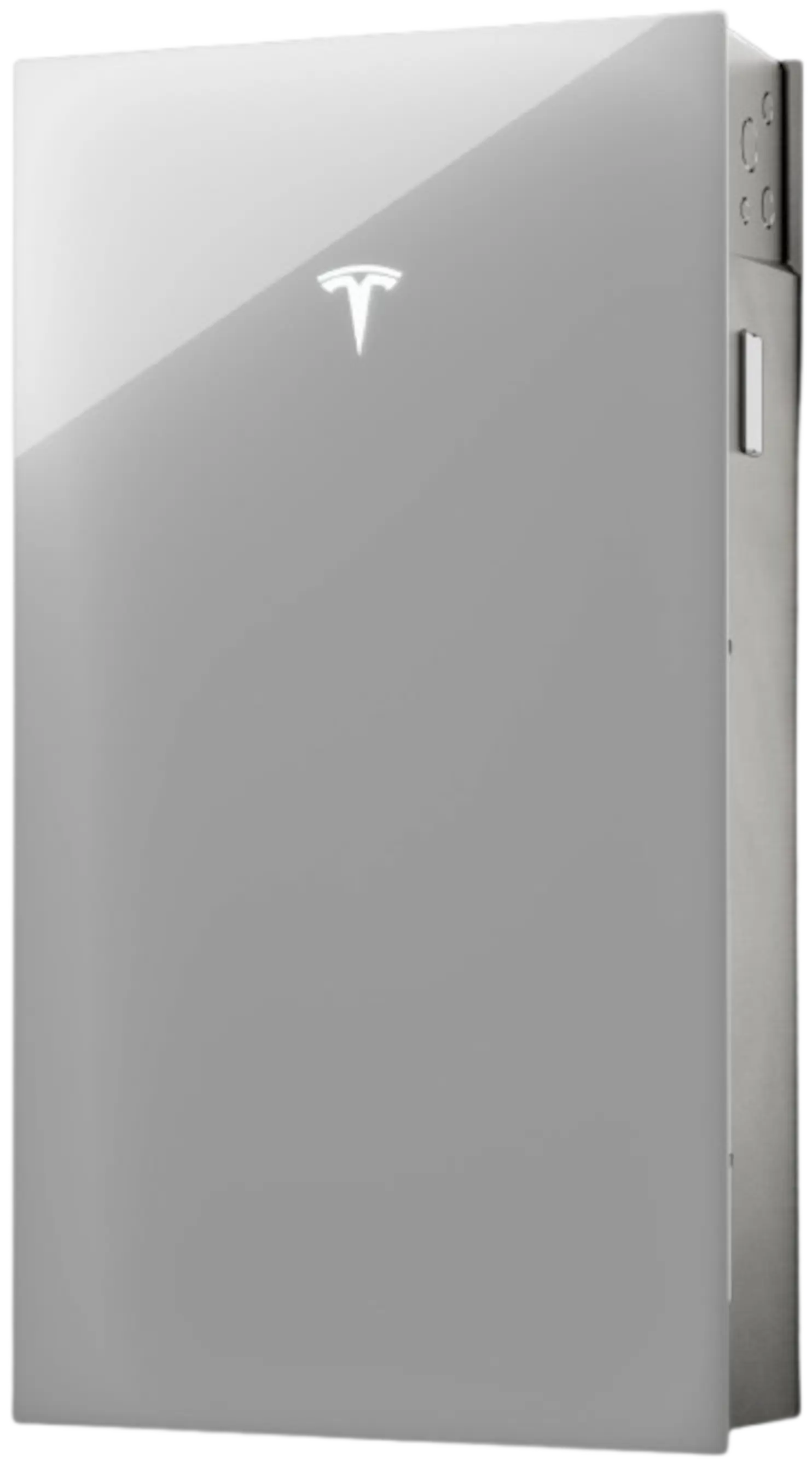
Tesla Powerwall 3
How it works
The Powerwall 3 is flexible in how it integrates with your home. When installed on a new solar system, it uses a built-in DC-coupled inverter — the Powerwall itself becomes the system's main inverter and battery in a single consolidated unit. When added to an existing solar installation, it operates in AC-coupled mode, connecting on the AC side of your electrical system without requiring you to replace your current inverter.
It stores 13.5 kWh and delivers 11.5 kW of continuous power — one of the highest power outputs of any single residential battery unit. Up to four units can be stacked for 54 kWh total.
What Tesla does well
Power output. The Powerwall 3's 11.5 kW continuous output is exceptional for a single unit. Running central air conditioning, a refrigerator, lights, and other loads simultaneously during an outage is well within its range. Very few single-unit batteries can match this.
Flexible installation architecture. The ability to operate as either a DC-coupled primary inverter on new installs or an AC-coupled battery on existing systems gives it more versatility than it's often given credit for.
Consolidated design. On new installations, eliminating the separate inverter reduces the number of components on your wall and can simplify the overall installation footprint.
Brand familiarity. Homeowners recognize the Tesla name. For some buyers, that recognition translates to confidence in the purchase — and it can be easier to explain in a proposal than a brand they haven't heard of.
App and monitoring. The Tesla app is polished and intuitive. Energy monitoring, backup reserve settings, and storm watch automation are well-implemented.
The real tradeoffs
Installer requirements. Tesla requires all Powerwall installations to be completed by Tesla-certified installers. That's a meaningful constraint — not every solar company is certified, and Tesla's supply chain has historically created lead time variability that affects scheduling.
AC coupling limits. When used in AC-coupled mode with an existing solar system, Tesla caps the allowable AC solar input at 7.68 kW per Powerwall unit. Homes with larger existing arrays may need to split their solar into backup and non-backup circuits, which adds design complexity.
Warranty. The 10-year warranty is standard for the industry, but it's shorter than both the Enphase and Franklin options.
Chemistry. Powerwall 3 uses NMC (nickel manganese cobalt) chemistry rather than LFP (lithium iron phosphate). NMC has higher energy density, which contributes to the compact form factor, but LFP chemistry is generally considered more thermally stable and longer-lived for daily cycling.
Tesla brand volatility. Worth acknowledging honestly: Tesla as a company has had a noisier public profile in recent years. For some homeowners, this doesn't register. For others, it factors into a decision about a 10-year product with ongoing software dependencies.
Best for
New solar installations where the Powerwall will serve as the primary inverter, homeowners retrofitting storage onto an existing system with a solar array under 7.68 kW, and buyers who prioritize brand recognition and high single-unit power output.
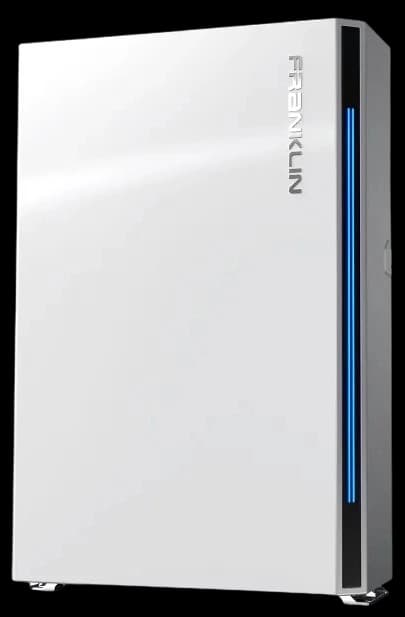
Franklin aPower 2
How it works
The Franklin Home Power system has two main components: the aPower 2 battery and the aGate energy management controller. The aPower 2 is an AC-coupled battery with a built-in inverter, storing 15 kWh of usable energy per unit and delivering 10 kW of continuous output with 15 kW of peak surge capability.
The aGate connects the battery to your solar system, grid, home loads, and optionally a generator — managing the flow of power between all of them intelligently.
What Franklin does well
Capacity per unit. At 15 kWh, the aPower 2 stores more energy in a single unit than either the Tesla or the Enphase. For whole-home backup, this means more homes can get what they need from a single battery without stacking.
Inverter compatibility. Because the aPower 2 is AC-coupled, it works with most existing inverter brands — SolarEdge, Enphase, SMA, and others. If a homeowner already has a functioning solar system and just wants to add storage, Franklin often requires the least additional equipment of the three options.
Generator integration. The aGate has a dedicated generator port with automatic start/stop capability. This creates a true microgrid — the system will start the generator automatically when the battery gets low and shut it off when solar recharges it. Neither Enphase nor Tesla handles generator integration as natively as Franklin.
Scalability. Up to 15 aPower 2 units can be paired with a single aGate, for a maximum of 225 kWh. That ceiling is well above what either Enphase (40 kWh) or Tesla (54 kWh) offers — relevant for large homes, properties with high energy demands, or any homeowner thinking about future EV loads.
Warranty. The 15-year warranty covering 60 MWh of throughput matches Enphase and exceeds Tesla.
The real tradeoffs
Brand recognition. Franklin doesn't carry the consumer name recognition of Tesla or Enphase. For homeowners doing their own research before a sales conversation, it may be an unfamiliar name. This is a marketing reality, not a product problem — but it's a real part of the buying experience.
Equipment cost structure. The aPower 2 battery itself is competitively priced, but the aGate controller (~$3,500 MSRP) is a required additional component. For a single-battery installation, that controller cost weighs more heavily on the total than it does for multi-battery systems.
App experience. The FranklinWH app is functional and improving, but it's generally considered less polished than Tesla's interface. For tech-forward homeowners who care about the software experience, this is worth noting.
Newer market presence. Franklin is a younger brand in the U.S. market. The product track record is strong and growing, but installers and homeowners have fewer years of real-world data compared to Tesla or Enphase.
Best for
Homes needing whole-home backup in a single unit, retrofit installations where the existing inverter is staying, homeowners with or considering a backup generator, and buyers who want the most capacity and longest warranty for the price.
Warranty and Chemistry: The Details That Matter Long-Term
Battery warranties aren't all the same, and the chemistry differences are worth understanding before committing to a 10–15 year product.
LFP vs NMC chemistry
Enphase and Franklin both use lithium iron phosphate (LFP) cells. LFP chemistry is thermally more stable, has a longer cycle life, and degrades more slowly with daily use. It's become the dominant chemistry in residential storage for these reasons.
Tesla Powerwall 3 uses NMC (nickel manganese cobalt) chemistry. NMC enables higher energy density in a smaller footprint — which is part of why the Powerwall 3 is compact relative to its capacity — but LFP has the edge on longevity and thermal safety for a product that cycles daily over a decade.
Warranty comparison
| Enphase IQ 10C | Tesla Powerwall 3 | Franklin aPower 2 | |
|---|---|---|---|
| Length | 15 years | 10 years | 15 years |
| Cycle rating | 6,000 cycles | Not published | 60 MWh throughput |
| End-of-warranty capacity | 70% | 70% | 70% |
The Tesla warranty gap is the most notable difference here. Ten years is the industry standard, but both Enphase and Franklin offer five additional years of coverage. Over the lifetime of a solar system — typically 25–30 years — battery replacement is likely regardless of brand, but a longer warranty provides more protection during the period when failures are most costly.
Compatibility: Which Battery Works With Your Existing System?
If you're adding storage to an existing solar installation, compatibility is often the deciding factor.
Enphase IQ Battery 10C only works with Enphase microinverter systems. If your panels run on SolarEdge optimizers, a string inverter, or any other brand, the 10C is not compatible without a full inverter replacement.
Tesla Powerwall 3 supports both DC-coupled and AC-coupled configurations. In AC-coupled mode it's compatible with most existing inverter brands — but the AC solar input is capped at 7.68 kW per Powerwall unit, which is a real constraint for larger existing systems.
Franklin aPower 2 is AC-coupled and compatible with most inverter brands without capacity restrictions on the solar side. It's typically the most straightforward retrofit option regardless of what inverter is already installed.
Pricing: What to Expect in 2026
Battery pricing varies by market, installer, system size, and site conditions. The federal 30% Investment Tax Credit for residential batteries ended January 1, 2026. State and utility incentives vary — some states, including Massachusetts, Colorado, and North Carolina, still have meaningful battery incentive programs.
Enphase IQ Battery 10C
A single-unit system starts at $15,500 installed, which includes the battery and IQ System Controller. Adding a second unit is less expensive since the controller is already in place — expansion units start at $9,500 each installed.
Tesla Powerwall 3
Pricing depends on how the Powerwall is being installed. In AC-coupled mode — added to an existing solar system — a single Powerwall 3 starts at $15,500 installed. In DC-coupled mode as the primary inverter on a new installation, pricing starts at $11,500, reflecting the fact that a separate inverter isn't required. Expansion units, which add 13.5 kWh of storage capacity without an additional full Powerwall gateway, start at $9,500 each installed. Note that expansion units add backup time only — they do not increase the system's ability to run more appliances simultaneously.
Franklin aPower 2
The first Franklin system includes both the aPower 2 battery and the required aGate controller, with installed pricing starting at $15,500. Adding a second or third aPower 2 unit is considerably cheaper once the aGate is already in place — expansion units start at $9,500 each installed.
These are general ranges. Your actual quote will depend on your location, your home's electrical configuration, whether you're adding storage to an existing system or installing alongside new solar, and any applicable state or utility incentives.
Contact Lunex for a quote specific to your home »
How to Choose
If you're not sure where to start, here's a simple way to think about it:
You're already on Enphase microinverters → The IQ Battery 10C is the most natural fit. Ecosystem compatibility, modular sizing, and the 15-year warranty make it the default choice for existing Enphase customers. Consider two units if whole-home backup including HVAC is the goal.
You want maximum single-unit capacity and the strongest whole-home backup → Franklin aPower 2 is worth a close look. Fifteen kWh per unit, 15-year warranty, generator integration, and broad inverter compatibility make it a strong choice for homeowners who want a battery that can handle the whole house.
You're installing new solar and want a consolidated design, or you specifically want Tesla → Powerwall 3 is a legitimate choice. The power output is excellent, the app is polished, and for a new installation where it serves as the primary inverter, the integrated design is clean.
You have a non-Enphase solar system already installed → Both Franklin and Tesla (in AC-coupled mode) can retrofit onto existing systems. Franklin has no AC solar input restrictions; Tesla caps AC-coupled solar at 7.68 kW per unit, so if your existing array is larger than that, Franklin is the simpler path.
You want the longest possible warranty and LFP chemistry → Both Enphase and Franklin offer 15-year warranties with LFP cells. Tesla's 10-year NMC warranty is shorter and uses a different chemistry.
You're planning to expand storage over time → All three support multi-unit configurations, but Franklin's expansion economics are the most favorable once the aGate is already in place. Tesla's expansion units also offer strong per-kWh value at scale.
Conclusion: All Three Are Good. The Right One Depends on Your Home.
Enphase, Tesla, and Franklin all produce well-engineered, reliable home batteries. None of them is universally the best choice — the right answer depends on your existing solar setup, how much backup capacity you need, what you value in a product, and your budget.
What we can say after installing all three across multiple states: each one has a clear use case, and the homeowners who end up happiest are the ones who chose based on fit rather than brand name alone.
If you're working through the decision, our team can walk you through the options and design a system around your actual home — not just the spec sheet.