Back to Blog
Enphase vs SolarEdge vs Tesla Powerwall 3: Which Inverter System Is Best for Your Home?
Phil Huet
5 min read
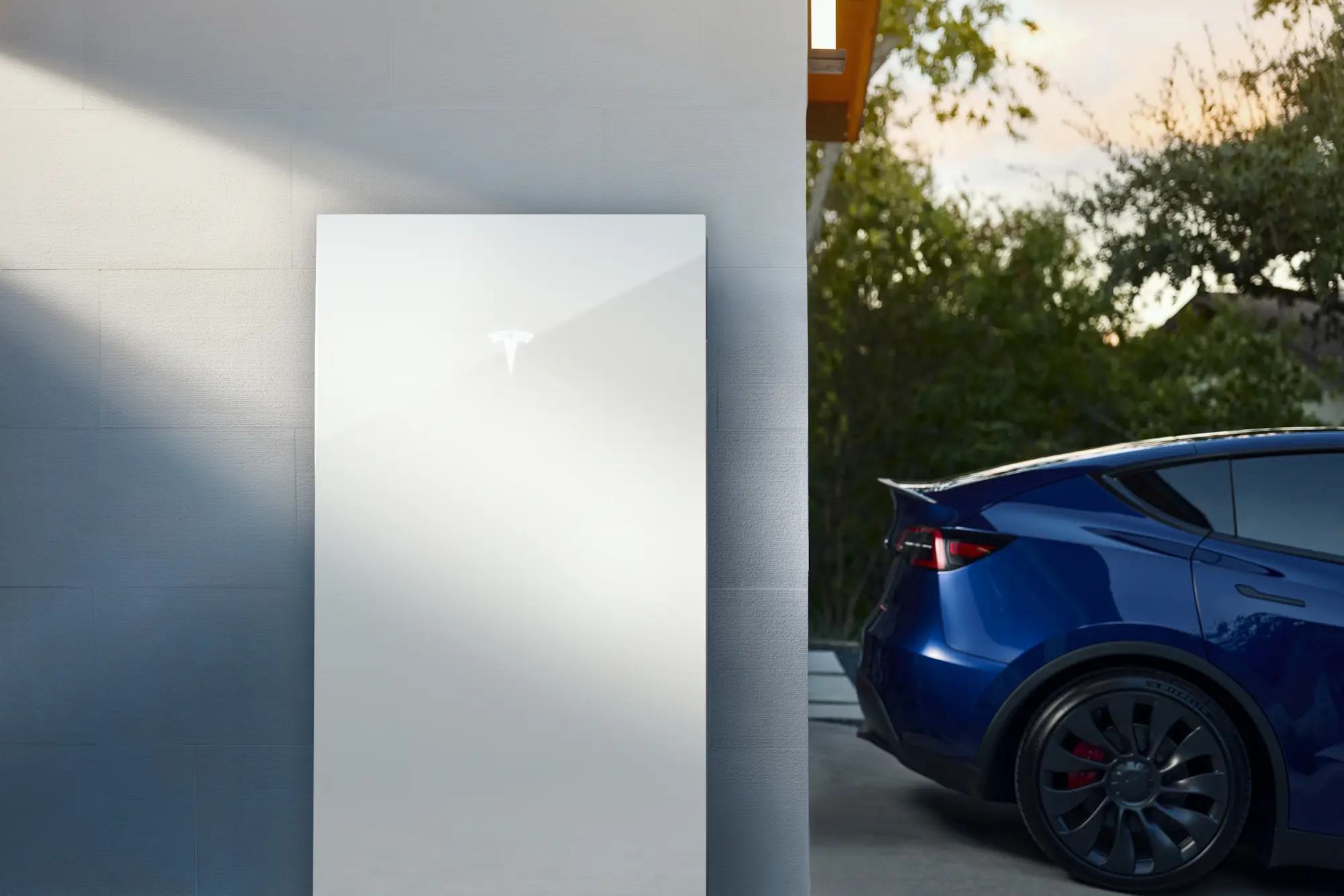
When homeowners compare solar systems, most of the attention goes to the panels.
In reality, the most important technical decision is the inverter architecture — the part of the system that converts DC power from your panels into usable AC power for your home.
Today, most residential systems fall into one of three platforms:
- Enphase microinverter systems
- SolarEdge optimizer + central inverter systems
- Tesla Powerwall 3 systems with an integrated inverter
Each approach solves the same problem in very different ways.
This guide explains how these inverter systems actually compare for real homes — not just on spec sheets.
Contact us to see how inverter choices affect your home’s design »
Enphase Systems: Microinverters on Every Panel
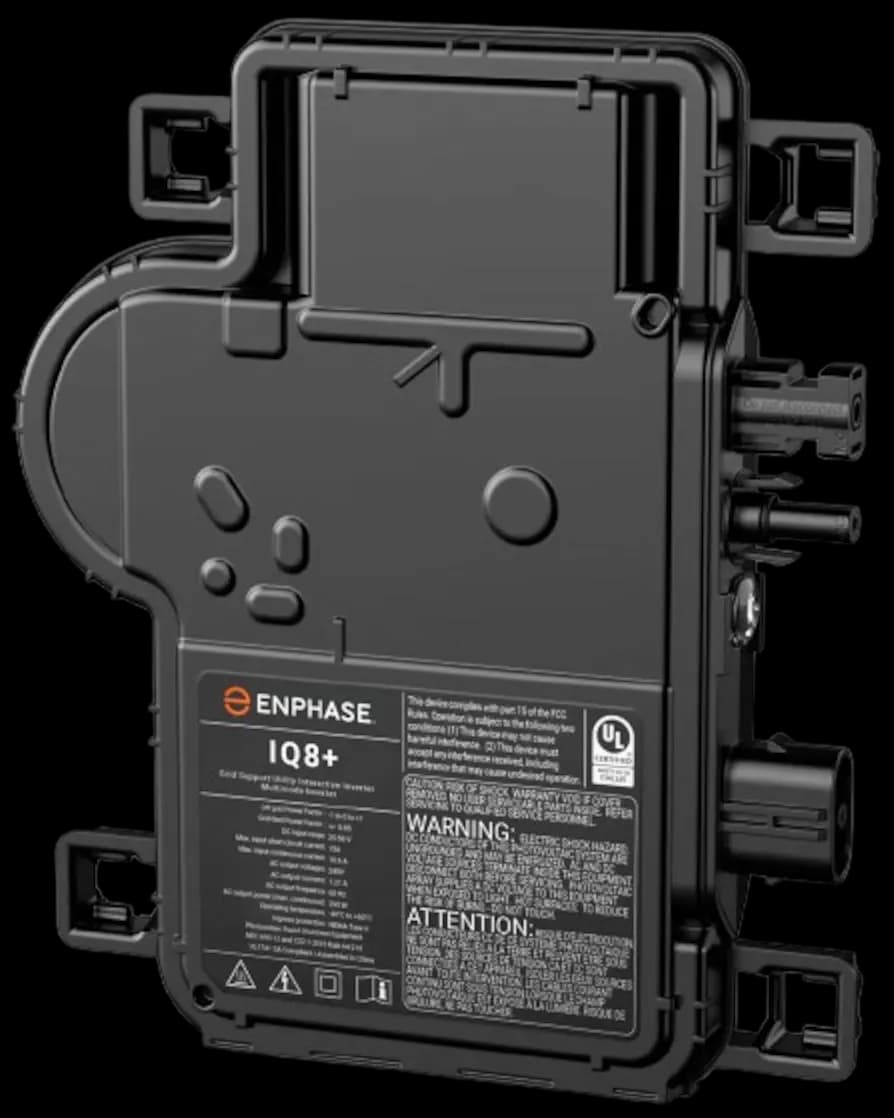
How Enphase inverters work
Enphase uses microinverters, meaning every solar panel has its own inverter mounted directly underneath it.
Instead of sending DC power from many panels to a single inverter, each panel converts its own power to AC at the roof.
Why microinverters work well for many homes
- Each panel operates independently
- A single panel or inverter issue does not stop the rest of the system
- Excellent performance on roofs with multiple orientations or partial shading
- Very detailed panel-level monitoring
The real tradeoff
Microinverter systems typically involve:
- more electronics installed on the roof
- slightly higher equipment cost compared to centralized inverter designs
For homeowners with complex roofs or shading, the resilience and visibility often outweigh the added hardware.
SolarEdge Systems: Power Optimizers with a Central Inverter
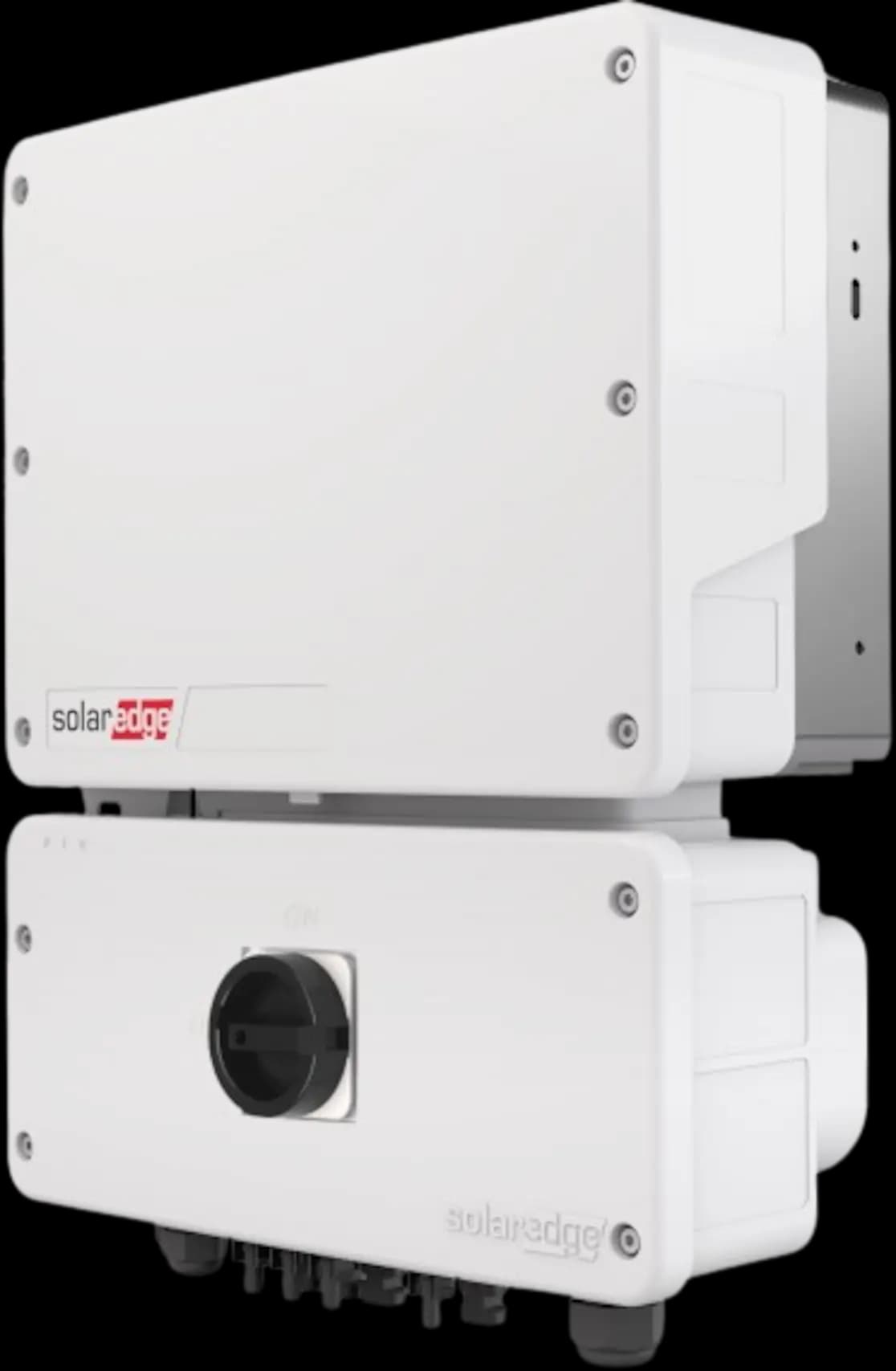
How SolarEdge inverters work
SolarEdge uses a hybrid design:
- small DC optimizers mounted behind each panel
- one centralized inverter that performs the actual DC-to-AC conversion
The optimizers control and condition the power from each panel before it is sent to the main inverter.
Why some homes are better suited to SolarEdge
- Large, simple roof planes
- Long, uniform panel strings
- Strong production optimization in partial shading
- Clean system-level monitoring
The real tradeoff
Because SolarEdge still relies on a single main inverter:
- if that inverter is offline, the entire system stops producing
This is the primary architectural difference compared to microinverter systems.
Tesla Powerwall 3 Systems: An Integrated Inverter Platform
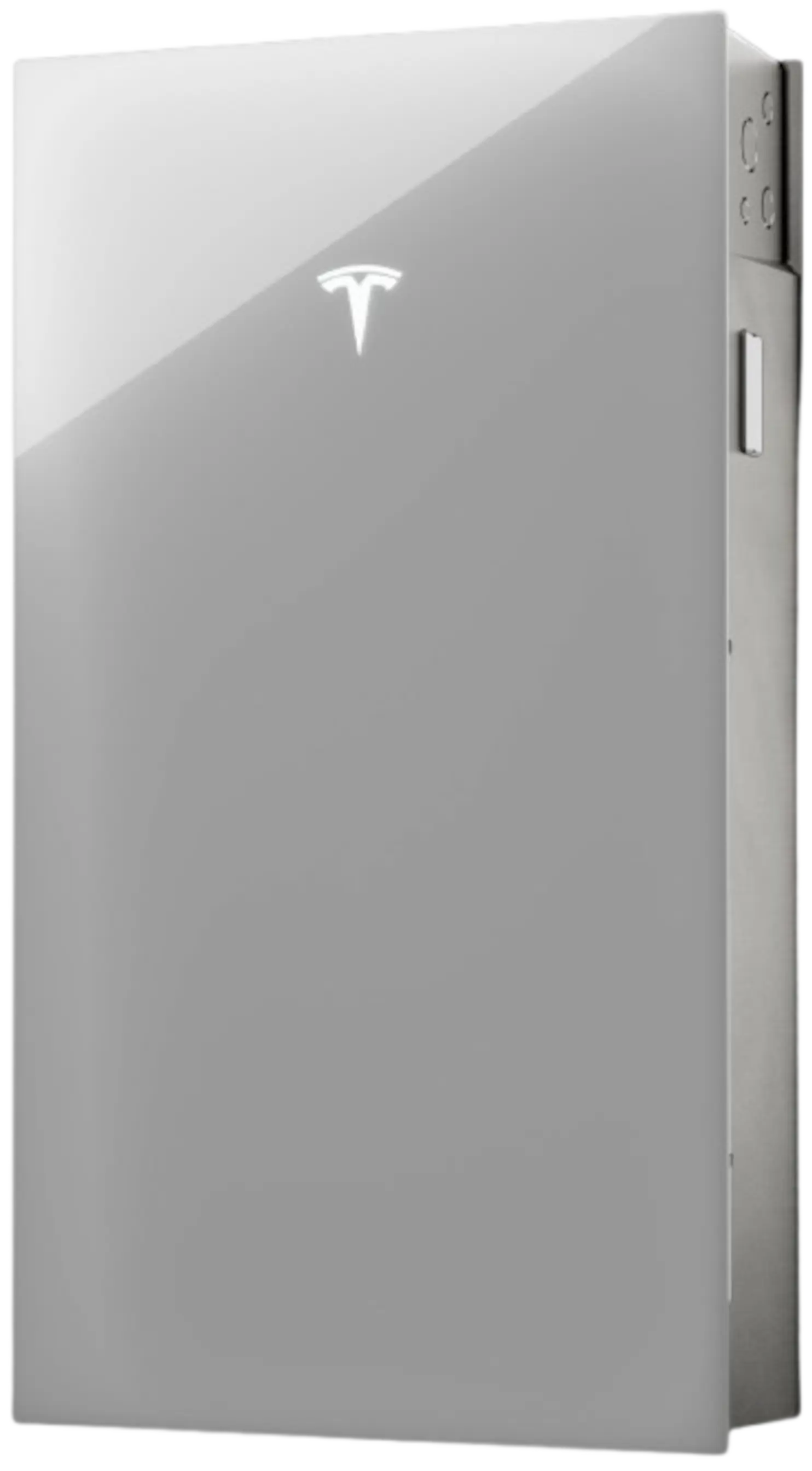
How Powerwall 3 changes the inverter layout
Powerwall 3 includes a built-in solar inverter inside the battery enclosure.
Instead of installing a separate wall-mounted inverter, the Powerwall itself becomes the system’s main inverter.
This creates a highly consolidated system design.
Why this architecture appeals to some homeowners
- Fewer major wall-mounted components
- Very high output capability for backup and large loads
- Simple system layout
- Unified monitoring experience
The real tradeoff
Because the inverter is integrated into a single unit:
- the system relies heavily on that one device
- panel-level monitoring and isolation are more limited compared to Enphase
Powerwall 3 is best understood as an integrated inverter and backup platform rather than a traditional inverter paired with a battery later.
Enphase vs SolarEdge vs Tesla Powerwall 3: Inverter Architecture Comparison
| Feature | Enphase | SolarEdge | Tesla Powerwall 3 |
|---|---|---|---|
| Inverter type | Microinverter on each panel | Central inverter with panel optimizers | Inverter integrated into Powerwall 3 |
| DC to AC conversion | At each panel | At the central inverter | Inside the Powerwall |
| System dependency | Each panel is independent | Dependent on central inverter | Dependent on single integrated unit |
| Monitoring detail | Panel-level | Panel + system | System-level |
| Best suited for | Complex roofs and shading | Large, uniform roof layouts | Homes prioritizing simple, high-output systems |
Which inverter system is right for your home?
The correct inverter architecture depends on:
- roof shape and orientation
- shading patterns throughout the day
- how many roof planes are used
- available equipment locations
- how much system visibility you want
Two homes on the same street can require completely different inverter designs.
If you’d like help evaluating which inverter architecture fits your home and energy goals, our team can walk you through the options and design tradeoffs.
Contact us to discuss the right inverter system for your home »
Conclusion: The inverter architecture matters more than the brand
Enphase, SolarEdge, and Tesla Powerwall 3 all convert solar energy effectively — but they do it using very different system designs.
- Enphase emphasizes panel-level independence and visibility.
- SolarEdge balances optimization with centralized conversion.
- Powerwall 3 consolidates conversion into a single integrated platform.
The right choice is not about brand preference — it’s about selecting the inverter architecture that best fits your roof, layout, and performance goals.